The radiation value of Japan’s nuclear sewage on the first day of discharge exceeded the standard, "the most serious impact is teratogenesis"!
August 24th
The Japanese government is in opposition
Officially launched the discharge of nuclear polluted water from Fukushima Daiichi nuclear power plant into the sea.
Arouse many concerns.
Today, I will continue to search for the list.




According to the plan of Tokyo Electric Power Company, the first sewage discharge will be about 460 tons per day for 17 days, with a total discharge of about 7,800 tons of nuclear polluted water. In 2023, it is estimated that about 31,200 tons of nuclear polluted water will be discharged into the sea for 30 years. At present, about 1.34 million tons of nuclear polluted water is stored in the Fukushima Daiichi nuclear power plant.
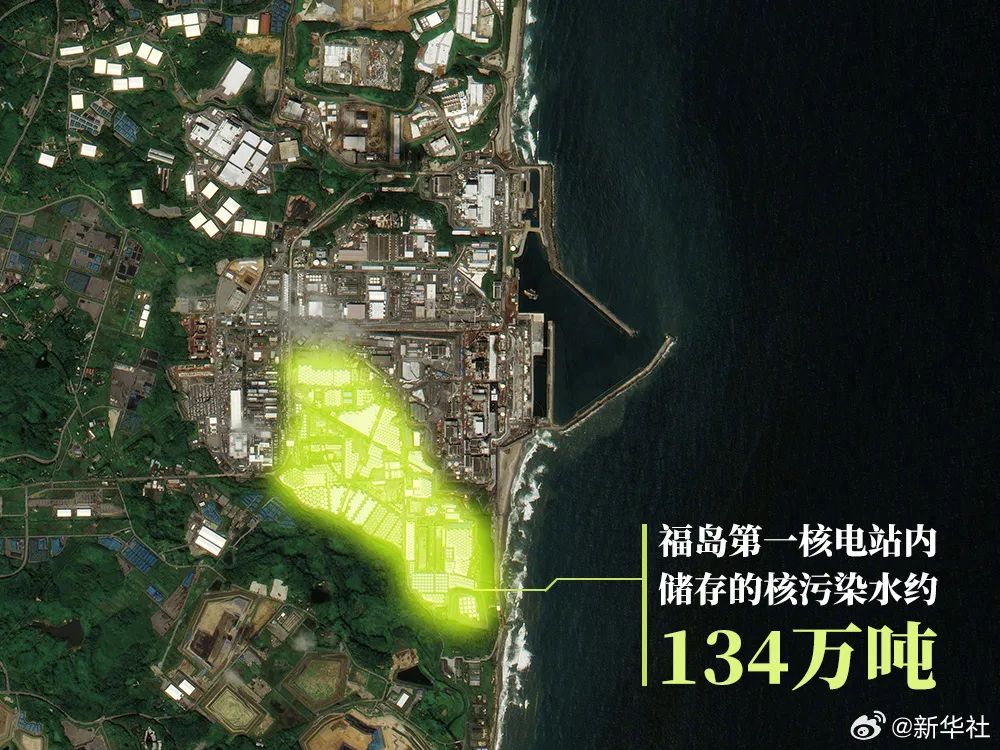
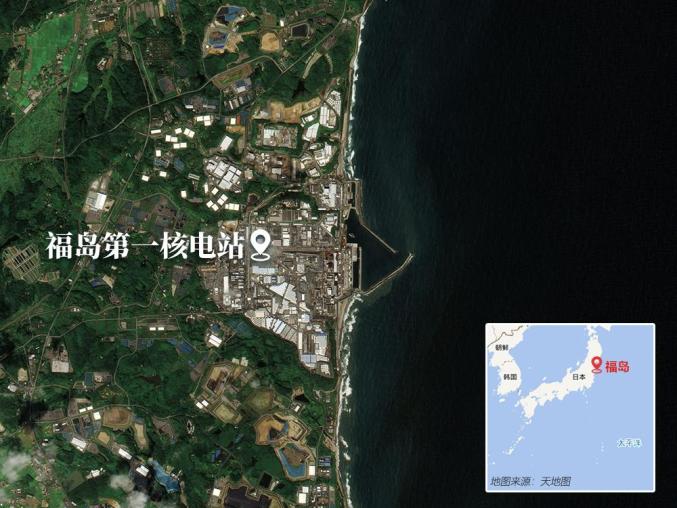
The satellite image below clearly shows the geographical location of the Fukushima Daiichi nuclear power plant, which is close to the sea. The nuclear polluted water will affect the entire Pacific Ocean and even the global waters through ocean currents, and the global ecology is bound to be in an uncertain state for a long time.
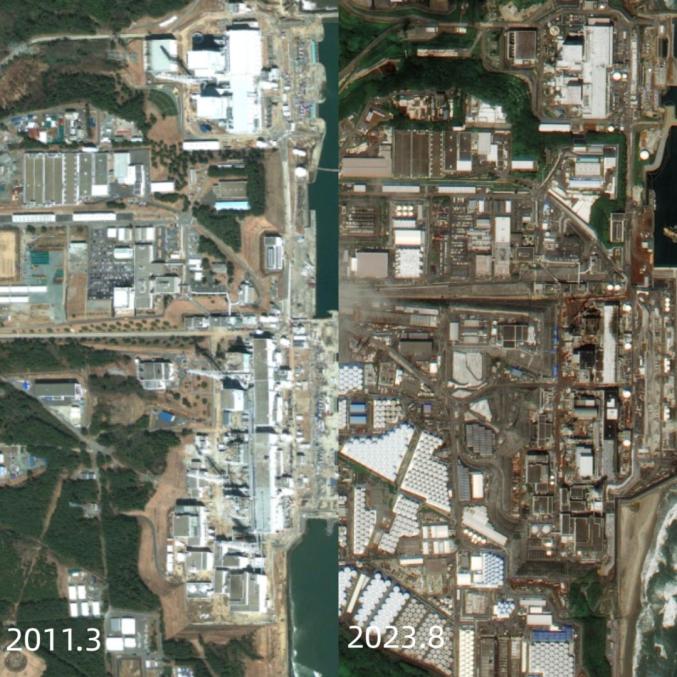
The following picture shows the comparison of satellite images of the Fukushima Daiichi nuclear power plant. From the comparison, it can be clearly seen that after the earthquake on March 11th, 2011, the Japanese side built a dense circle of nuclear contaminated water storage tanks in the plant area.
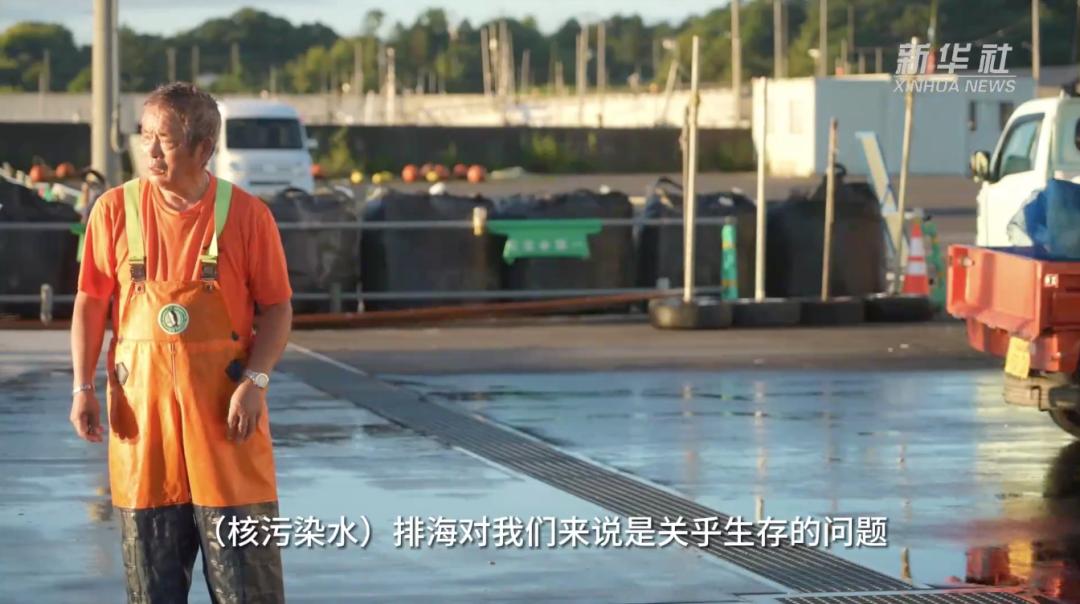
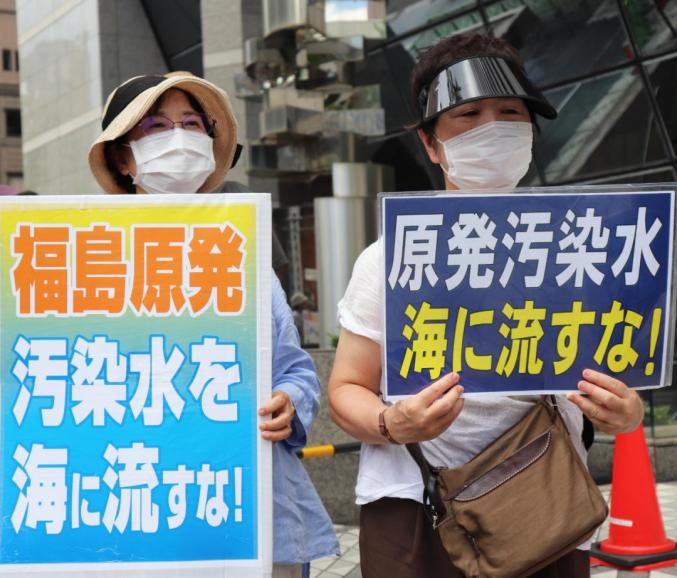
Many residents of Fukushima Prefecture expressed their concern when interviewed by reporters, and condemned the Japanese government and TEPCO for violating their original commitment not to deal with nuclear polluted water without authorization.
On the 23rd, the plaintiff group composed of residents of Fukushima Prefecture, Miyagi Prefecture and Ibaraki Prefecture announced that they would file a lawsuit in the Fukushima District Court and demanded that the Japanese government and TEPCO cancel the plan of discharging nuclear polluted water into the sea. According to the complaint, discharging pollutants into the sea violates the principle that those responsible for pollution shall not diffuse pollutants and infringes on the residents’ right to a stable life.
# Japan’s first day of nuclear sewage discharge into the sea
The radiation value will exceed the standard #
On the 24th, according to a field visit by a CCTV reporter, it was tested with a radiometer about 6.5 kilometers away from the Fukushima Daiichi nuclear power plant, and the result showed that it was 0.1μSv/h (microsieverts).
When I was in Tokyo, the test result of the radiometer was 0.01μSv/h, and the reporter tested along the way, and the highest index of the radiometer reached 2.0μSv/h, indicating that the highest radiation value around Fukushima was 200 times that of Tokyo, 20 times that of the safety value of 0.1μSv/h recommended by the International Commission on Radiological Protection, which greatly exceeded the safety value range.
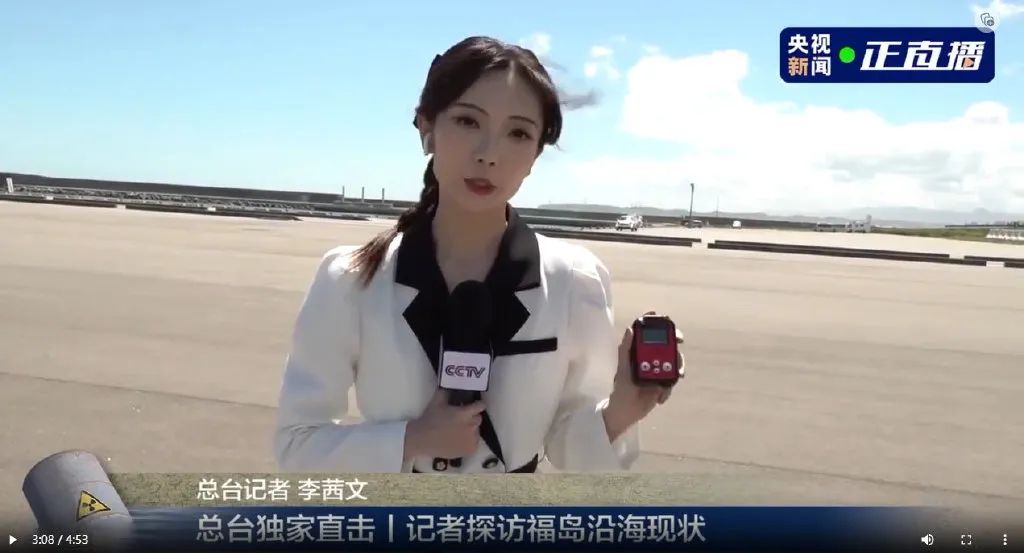
At present, it is urgent to make clear whether the radiation dose exceeding the standard with the discharge of nuclear polluted water is temporary or long-term If it is long-term, it will inevitably cause harm to people, ecology and environment. In addition, it is necessary to find out the reason for this sudden increase in nuclear radiation value.
# The most serious impact of nuclear sewage discharged into the sea is teratogenesis #
Experts say that the discharge of nuclear sewage in Japan may have "three causes"-carcinogenic, teratogenic and mutagenic.
"If it is in order, it should be based on mutagenesis, and the consequence may be carcinogenesis and teratogenesis, in which teratogenesis is an important influence." Dr. Biology, Chinese Academy of Sciences said, "Nuclear radiation is essentially a process of ionizing radiation, but individual development is very easily affected by the external environment. For example, we all know that pregnant people can’t receive X-rays and other radiation because they are worried that nuclear radiation will cause fetal malformation. Similarly, many drugs are banned by pregnant women for the same reason-every factor may produce unpredictable results during the development of the fetus. "
# What’s the ocean like after Japan’s nuclear polluted water is discharged into the sea for 4000 days #
Where will the discharge of nuclear polluted water in Japan affect? Simulation videos based on data and geographical calculations show you what the future ocean will look like:
# The United States supports Japan’s exclusion from the sea
While reducing imports #
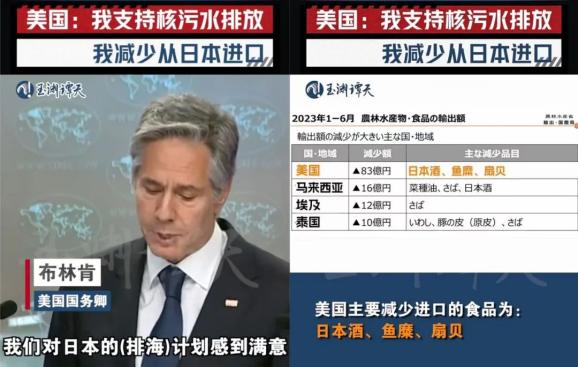
According to the data of the Japanese Ministry of Agriculture, Forestry and Fisheries, the United States was the country that reduced imports of Japanese agriculture, forestry and fisheries the most in the first half of the year, and the three major food producing areas were all in the areas affected by nuclear pollution water discharge.
In September, 2021, the State Council lifted the restrictions on Japanese food imports, and supported Fukushima nuclear polluted water to be discharged into the sea. However, since the beginning of this year, the United States has reduced the import of Japanese agriculture, forestry and aquatic products.
Original title: "The radiation value of nuclear sewage in Japan exceeded the standard on the first day of discharge," the most serious impact is teratogenesis "! 》
Read the original text