Only more than 20% of people drink milk "up to standard". What are the obstacles that affect Chinese’s drinking milk?

  The latest edition of Dietary Guidelines for China Residents 2022 updated the recommendation on milk consumption, and the recommended daily milk consumption of residents was revised from 300g in 2016 to 300-500g.

  However, the 2022 China Dairy Merchants Index Report (hereinafter referred to as the Report) released today (June 13th) found that in the past five years, the public’s knowledge and behavior of drinking milk have been continuously improved, but in 2022, the public’s average daily intake of dairy products was 255 ml. Only 24.2% people consume more than 300ml of dairy products every day.

  The report also found that the "milk population" who can insist on daily intake of dairy products accounts for about a quarter of China’s population. At present, most of Chinese has not formed the habit of drinking milk every day. So, what are the obstacles that affect Chinese’s drinking milk?

  China Dairy Merchants Index Report 2022.

  Why are dietary guidelines updated?

  "Dairy products contain high-quality protein. Among natural foods, calcium in milk is the most beneficial for human body to absorb." Chen Wei is the chief physician of the Nutrition Department of Union Medical College Hospital. He told reporters that milk is an excellent food source for calcium intake. With the improvement of living standards of Chinese people, the recommended intake is also "rising". Some studies at home and abroad also found that the lack of dairy intake may be related to some chronic diseases. For health reasons, Dietary Guidelines for China Residents 2022 advocates that China residents should consume more dairy products.

  "Dietary Guide" is a guiding document that transforms the existing evidence research on dietary nutrition and health into a balanced diet based on food according to the food production and supply and the actual living conditions of residents, so as to help people make scientific food choices, rationally match meals, promote health and prevent and reduce the occurrence of nutrition-related diseases.

  The recommended amount of calcium intake varies from country to country. In 2022, researchers from School of Public Health of Harbin Medical University published articles in Chinese Journal of Preventive Medicine. Taking the recommended amount of calcium for adults in various countries as an example, the United States, Britain, Northern Europe and the European Union were 1000 mg/day, 700 mg/day, 800 mg/day and 950mg/ day respectively. Except for the actual intake level in the United States, the actual calcium intake in other countries was higher than the recommended amount.

  In East Asia, the recommended amount of calcium for Japanese adults is 660mg/ day for women and 738mg/ day for men. According to the 2019 Japan National Health and Nutrition Survey, the average calcium intake of residents is about 560mg/ day, which is slightly lower than the recommended amount. The recommended amount of dietary calcium for adults in China is 800mg/ day, but the actual intake is only 366.1mg/ day, which is significantly lower than the recommended amount. The researchers believe that it is suggested that there may be a general lack of calcium intake among Chinese residents.

  Before the latest revision of the 2022 version of the dietary guidelines for China residents was released, the China Nutrition Society organized experts to complete the Scientific Research Report on Dietary Guidelines for China Residents in order to find evidence for revising the dietary guidelines.

  In the part about dairy products, the "Research Report" puts forward that "the average intake of milk by Chinese residents has been at a low level, and the consumption rate of milk and its products in all groups is low, and the consumption rate of children and adolescents is higher than that of adults, and the consumption of all groups is lower than the recommended intake level. Insufficient milk intake is the main reason for the high proportion of calcium intake by Chinese residents."

  Among them, the nutrition and health problems of the elderly population are not optimistic. According to the data of the above-mentioned "research report", the proportion of insufficient calcium intake among the elderly is higher than 80%, and the problem of malnutrition among the elderly in rural areas is more prominent.

  On June 13th, the 2022 Dairy Business Index report was released online.

  The habit of drinking milk has yet to be formed

  "The value of the recommended amount is given through a large sample epidemiological investigation and expert argumentation." For the update of dietary guidelines for China residents, Zuo Xiaoxia, director of the Nutrition Department of the Eighth Medical Center of the PLA General Hospital, said that this was based on the actual situation and "try to be in line with international standards."

  In the "Research Report", the expert group also combed the recommended values of dietary guidelines for milk and dairy products in some countries and regions. Among them, the recommended amount in Japan is 200ml, that in the United States is about 710ml, that in Australia is 300-750ml, and that in Hong Kong, China is 480ml for men and 240-480ml for women. The recommended intake of dairy products in Asian countries is generally lower than that in Europe and America.

  In order to understand the changes of China people’s knowledge, behavior and habit of drinking milk, since 2018, China Dairy Industry Association, China Association for the Promotion of International Exchanges in Health Care and Royal Dutch Friesland have jointly launched a survey called "China Dairy Merchants Index Report". Yang Guochao, Vice Chairman of China Dairy Industry Association and Senior Vice President of Royal Friesland of the Netherlands, said that the China Dairy Merchants Index Report over the years has not only objective data, but also a forward-looking perspective and novel views, which has attracted the attention of all sectors of society. Through the annual survey of dairy merchants, we can understand the present situation of Chinese people drinking milk, find out the problems and try to explore solutions.

  It is worth mentioning that in the five-year survey, the dairy quotient index of China has increased from 60.6% in 2018 to 63.2% in 2022. Experts believe that the public’s knowledge of drinking milk is gradually enriched, and the behavior of drinking milk is gradually improving, which is the result of various factors such as economic income growth, improvement of living standards and popularization of scientific knowledge.

  However, the challenge that cannot be ignored is that in 2022, the public’s daily intake of dairy products will reach the standard rate (that is, the average daily intake ≥ 300ml) is only 24.2%. Although it is slightly improved compared with 22.5% in 2018, the compliance rate is still very low. "This shows that the dairy merchants of the people in our country still need to be improved." Zuo Xiaoxia said.

  Consumers buy dairy products in a supermarket in Qingzhou City, Shandong Province. Xinhua news agency

  What prevents Chinese from eating more dairy products?

  Chen Wei, chief physician of the Nutrition Department of Union Medical College Hospital, believes that dairy products have not yet achieved all-round popularization on the dining table of China residents. He believes that this has a historical background. For a long time, most residents in China have taken plants and herbs as their main sources of nutrition, while milk food has not yet entered most people’s living habits.

  "The public has not yet regarded dairy products as an indispensable part of life. We eat rice and pasta every day, but few people think that we can’t do it without drinking milk for a day." Chen Wei said.

  Moreover, China residents’ natural reaction to dairy products intake is to drink milk. In fact, the nutrition of cheese is not bad at all. For example, the calcium content of milk is about 104mg/100g, and the calcium content of cheese is 799 mg/100 g.

  The report of dairy merchants also puts forward, "According to 10 kilograms of milk ≈ In terms of 1 kg of cheese, eating more cheese helps children reach the standard of daily dairy intake of 300-500g g. " Infants over one year old can try to eat cheese, try to choose pasteurized natural cheese with low sodium content, and cut it into small pieces when eating to prevent choking.

  Drinking milk scientifically starts with dolls, and many kindergartens in Beijing set up training courses for dairy merchants.

  How to correctly ingest dairy products?

  Chen Wei believes that the public also has a misunderstanding in understanding, as if when it comes to drinking milk to supplement nutrition, it will think of teenagers, the elderly and pregnant women. "It seems that among these three groups of people, dairy products (especially solid milk) are more accepted, and everyone is more willing to take the initiative to supplement them." Chen Wei believes that in fact, the intake of dairy products by adults can not be ignored, which also shows that the general public has not yet developed a habit.

  Apart from the fact that eating habits are difficult to change in a short period of time, another factor that affects China residents’ milk intake is that there are many misunderstandings about dairy products.

  For example, are lactose intolerant people completely unable to consume dairy products? Lactose intolerance mainly refers to people’s inability to effectively digest lactose in milk when they ingest it, resulting in abdominal distension, nausea, diarrhea and other problems. The root cause of this phenomenon is the lack of lactase.

  The incidence of lactose intolerance is really high among people in China who have no habit of drinking milk. Chen Wei emphasized that lactose intolerance should be distinguished from milk allergy, which are two different reactions. Milk allergy is an allergic reaction to milk protein, and its symptoms include laryngeal edema and even systemic immune response, which often have more serious symptoms and require medical intervention.

  According to the survey of dairy merchants, more than half of the public have been able to recommend lactose-free or low-lactose dairy products for lactose intolerance around them. However, about 10% of the public still have misunderstandings about lactose intolerance and think that they can’t eat any dairy products.

  People who are lactose intolerant should not give up dairy products. Chen Wei suggested that people who are lactose intolerant can choose yogurt and cheese. Most of the lactose in these products is used by lactic acid bacteria, and the lactose content is low. In fact, some dairy products specially for lactose intolerant people have been developed in the market, such as lactose-free milk developed for Asians.

  In addition, "if the value of dairy products is recognized, lactose intolerant people can slowly try to gradually increase from less to more when drinking milk, and slowly adapt the intestines." Chen Wei said.

  Another misunderstanding is that many people think that milk drinks and some milk tea on the market can also be the sources of dairy products. China Residents’ Dietary Guidelines Scientific Research Report 2021 also mentioned that the sales volume of sugary drinks is increasing year by year, and 42.1% of the free sugar intake of urban people comes from sugary drinks and milk drinks. The consumption rate of sugary drinks and beverages among children and adolescents is above 30% and 25%, which is significantly higher than that of adults. At present, the average level of sugar intake of Chinese residents is not high, and the proportion of people whose energy supply ratio exceeds 10% is 1.95, but the consumption rate of sugary drinks of children and adolescents is higher than that of adults, and the energy supply ratio of sugar for children aged 3-5 is as high as 4.8%, which should be paid enough attention to.

  Written by Southern Reporter Wu Bin from Beijing.

Don’t forget to be safe when heating! 19 people were poisoned by carbon monoxide in one place in Shandong in one day.

  Cctv newsWe must pay attention to safety when lighting a fire to keep warm in cold weather. On November 23rd, Zibo Medical Emergency Command Center received more than a dozen calls for help in one day, and 19 people were poisoned by carbon monoxide.

  Shortly after the ambulance was dispatched, the dispatcher received another call for help from carbon monoxide poisoning. This time, an 80-year-old man in Huantai County was poisoned and was in a coma.

  On this day, Shandong Zibo Medical Emergency Command Center received 13 calls for help from carbon monoxide poisoning, and treated 19 patients, all aged between 60 and 90, mostly from rural areas and mountainous areas. It is understood that most of the patients who were treated were poisoned by carbon monoxide because of burning coal indoors for heating. After emergency treatment, 19 people were out of danger and some were still in hospital for observation. According to the data of Zibo Medical Emergency Command Center, since November, the city has received 18 calls for help from carbon monoxide poisoning, and 25 people have been sent to hospital for emergency treatment. Experts remind that heating in winter, don’t forget safety.

  The doctor suggested that once carbon monoxide poisoning occurs, it is necessary to open the window for ventilation and keep warm. If the heart stops breathing, first aid measures such as cardiopulmonary resuscitation should be taken in time.

The joint prevention and control mechanism of the State Council issued four documents, including the Implementation Measures for Nucleic Acid Detection for Epidemic Prevention and Control in COVID-19.

CCTV News:According to the website of National Health Commission, in order to further guide all localities and departments to do a good job in the prevention and control of COVID-19 epidemic, according to the relevant requirements of novel coronavirus Prevention and Control Plan (9th Edition) and Notice on Further Optimizing the Prevention and Control Measures of COVID-19 Epidemic, the Comprehensive Group of the State Council Joint Prevention and Control Mechanism has formulated and issued the Implementation Measures for the Detection of Nucleic Acid in COVID-19 Epidemic Prevention and Control, the Delineation and Control Plan for the Risk Area of COVID-19 Epidemic, the Medical Observation Guide for the Home Isolation of COVID-19 Epidemic and the Home Health Monitoring Guide for the New Crown Pneumonia Epidemic.

Attached:

Measures for the implementation of nucleic acid detection for epidemic prevention and control in COVID-19

In order to guide all localities to carry out epidemic monitoring in COVID-19, implement the requirements of early detection and early reporting, and timely discover and dispose of the epidemic, these measures are formulated.

I. Normalization monitoring

In areas where no epidemic has occurred, nucleic acid testing shall be carried out for risk posts and key personnel in strict accordance with the scope determined by the novel coronavirus Prevention and Control Plan (Ninth Edition) (hereinafter referred to as the Ninth Edition Prevention and Control Plan), and the scope of nucleic acid testing shall not be expanded. Generally, nucleic acid testing shall not be carried out for all employees according to administrative regions.

(1) Examination of medical personnel.

Medical personnel of various medical institutions at all levels, especially primary medical and health institutions, should raise their awareness of finding and reporting COVID-19 cases, paying special attention to the following situations.

1. Strengthen the monitoring of symptoms such as fever, dry cough, fatigue, sore throat, hypoesthesia and diarrhea, and carry out Covid-19 nucleic acid detection for all patients with fever. Suspicious patients who have no fever but have symptoms such as dry cough, fatigue, sore throat, decreased sense of smell, diarrhea, etc., have a history of epidemiology in COVID-19, or are engaged in risk occupation personnel (see the following classification of risk occupation population) should carry out nucleic acid detection in time.

2. Carry out nucleic acid detection on cases of unexplained pneumonia and severe acute respiratory infection in hospitalized patients.

3. Carry out nucleic acid detection on all newly admitted patients and their accompanying staff. After suspicious patients are found in community health service stations, village clinics and individual clinics, they should report to community health service centers or township hospitals within 2 hours, and implement the nucleic acid detection strategy of "village report, township sampling and county detection", which can simultaneously carry out antigen detection and find the epidemic situation as soon as possible. 

(2) Detection of occupational groups at risk.

Nucleic acid detection is carried out once a day for people who are in direct contact with entry personnel, articles and environment (such as passengers, cleaning and maintenance personnel of cross-border vehicles, porters of imported articles at ports, frontline personnel of customs and immigration management departments who are in direct contact with entry personnel and articles), staff in centralized isolation places, medical staff in designated medical institutions and fever clinics of general medical institutions.

For employees with dense working environment, frequent contacts and strong mobility (such as express delivery, take-away, hotel service, decoration and loading and unloading service, transportation service, supermarket and agricultural (gathering) trade market staff, etc.), port management service personnel and staff of other departments of general medical institutions except fever clinics, nucleic acid detection is carried out twice a week. After 1 case or more local epidemic occurs within the jurisdiction, the frequency of nucleic acid detection shall be encrypted according to the risk of epidemic spread or the requirements of local epidemic prevention and control.

    (three) personnel testing in key institutions and places.

Schools, kindergartens, old-age care institutions, service institutions in the field of child welfare, psychiatric hospitals, training institutions and other key institutions, supervision places, production workshops, construction sites and other crowded places should do a good job in monitoring the symptoms of relevant personnel under normalization, and organize nucleic acid sampling according to local prevention and control needs. After 1 case or more local epidemic occurs within the jurisdiction, the whole staff should be organized to complete the nucleic acid detection in time, and then the nucleic acid detection can be carried out according to the detection results and the spread risk of the epidemic, according to the sampling ratio of at least 20% per day or the detection requirements of the jurisdiction.

(4) Community management crowd detection.

1 into the community management of COVID-19 discharged (cabin) infected people and their residents, in the third and seventh days after discharge (cabin) to carry out a nucleic acid test.

2. Carry out "five-day home health monitoring" for employees in high-risk posts who have finished closed-loop operations, and manage them with codes during the period. Conduct nucleic acid testing on the first, third and fifth days respectively, and don’t go out unless necessary.

3. Carry out "7-day home isolation medical observation" for the overflow personnel in high-risk areas, during which they are assigned code management and are not allowed to go out, and carry out nucleic acid detection on the first, third, fifth and seventh days of home isolation. The management period is from leaving the high-risk area to 7 days. After the investigation and discovery of the inflow place, the nucleic acid test should be carried out immediately for the overflow personnel, and then carried out at the required frequency; When the spill situation is found in the investigation, if the spill personnel have left the high-risk area for more than 7 days, it is not necessary to conduct home isolation after completing the nucleic acid detection immediately.

4. For those who spill in low-risk areas, complete nucleic acid detection twice within 3 days, with an interval of 24 hours.

5. For those exposed in epidemic-related places, nucleic acid detection shall be carried out on the first and third days after judgment.

6. Close contacts and entry personnel released from centralized isolation shall be tested for nucleic acid on the first and third days of home isolation respectively.

7. Other personnel who need investigation shall carry out nucleic acid detection and health monitoring according to the requirements of territorial prevention and control. After the risk personnel are found in the investigation or investigation, the nucleic acid test will be carried out immediately.

(5) Testing of drug purchasers.

After the occurrence of local epidemic, pharmacies in the jurisdiction should register the people who buy antipyretic, antiviral, antibiotic, cough and cold drugs with real names and push them to the streets (communities) in the jurisdiction, and urge users to carry out nucleic acid testing in time, and if necessary, carry out antigen testing first.

(6) Detection of cross-regional floating personnel.

In accordance with the principle of "voluntary, free, take and go, without restricting the flow", nucleic acid sampling points are set up in airports, railway stations, long-distance passenger stations, provincial service areas of expressways, ports and other places to provide "landing inspection" service for migrant workers across provinces and guide go on road trip personnel to take the initiative to carry out nucleic acid testing everywhere.

Passengers are required to take planes, high-speed trains, trains, inter-provincial long-distance passenger cars, inter-provincial passenger ships and other means of transportation with negative proof of nucleic acid test within 48 hours. People leaving the land border port city must hold a negative nucleic acid test certificate within 48 hours.

Check the health code and negative proof of nucleic acid test within 72 hours for people staying in hotels and entering tourist attractions.

Special people such as infants under 3 years old can be exempted from checking the negative certificate of nucleic acid test.

Second, regional nucleic acid detection

In the process of epidemic disposal, on the basis of epidemiological investigation, the range, frequency and sequence of the detection population are determined according to the size of the population in the epidemic area, whether the source of infection is clear, whether there is a risk of community transmission and whether the transmission chain is clear. If individual cases and asymptomatic infected persons have a low risk of transmission to their residence, workplace and activity area, and close contacts have been controlled in time, regional nucleic acid testing may not be carried out after judging that there is no risk of community transmission.

(1) provincial capital cities and cities with a population of over 10 million.

    After the outbreak of the epidemic, after investigation, it is found that the transmission chain is unclear, there are many risk sites and risk personnel, and the risk personnel are highly mobile, and there is a risk of spread of the epidemic, all the people in the epidemic area will be tested once a day. After three consecutive nucleic acid tests without social infection, all the people will be tested once every three days, and all the people without social infection can be stopped.

    In other areas where infected people have frequent activities and stay for a long time, a certain area can be designated to carry out full-time nucleic acid testing based on the flow survey. In principle, once a day to carry out full-time nucleic acid testing, three consecutive nucleic acid testing without social infection, you can stop full-time nucleic acid testing.

    When an epidemic situation spreads widely in communities across regions, the command will be upgraded, and the provincial epidemic prevention and control mechanism will decide whether to carry out full-scale nucleic acid testing within the city.

    (2) Ordinary cities.

    After the outbreak of the epidemic, after investigation, it is found that the transmission chain is unclear, there are many risk sites and risk personnel, and the risk personnel are highly mobile, and there is a risk of spread of the epidemic, all the people in the urban area where the epidemic is located will be tested once a day. After three consecutive nucleic acid tests without social infection, all the people will be tested once every three days, and all the people without social infection can be stopped.

    In areas outside the city, based on the flow survey, a certain area is designated to carry out all-staff nucleic acid testing. In principle, once a day to carry out full-time nucleic acid testing, three consecutive nucleic acid testing without social infection, you can stop full-time nucleic acid testing.

    (3) Rural areas.

After the outbreak of the epidemic, it is found that the transmission chain is unclear, there are many risk sites and risk personnel, and the risk personnel are highly mobile, and there is a risk of spread of the epidemic. The natural villages involved in the epidemic, the location of the township government and the county where it is located, will carry out full-time nucleic acid testing once a day. After three consecutive nucleic acid tests without social infection, the full-time nucleic acid testing will be carried out once every three days. If there is no social infection, the full-time nucleic acid testing can be stopped.

When the epidemic spread to several towns and villages, based on the flow investigation and judgment, expand the scope to carry out all-staff nucleic acid testing. In principle, once a day to carry out full-time nucleic acid testing, three consecutive nucleic acid testing without social infection, you can stop full-time nucleic acid testing.

Annex 2

COVID-19Delineation and control scheme of pneumonia epidemic risk area

In order to guide all localities to divide the risk areas in the handling of the epidemic situation, effectively implement the relevant prevention and control measures in the risk areas, and minimize the impact of the epidemic situation on people’s production and life, this plan is formulated in accordance with the requirements of laws, regulations and documents such as the Law on the Prevention and Control of Infectious Diseases in People’s Republic of China (PRC), the Law on Basic Medical Care and Health Promotion in People’s Republic of China (PRC), the Emergency Regulations for Public Health Emergencies, and the Notice on Further Optimizing the Prevention and Control Measures for the Epidemic Situation in COVID-19, and combining with local experiences and practices.

First, scientifically define risk areas

Adhere to the principle of "prevention first, combination of prevention and control, scientific according to law, classification and classification", and realize the organic combination and rapid transformation of normalized accurate prevention and control and epidemic emergency response. Once a local epidemic occurs, the counties (cities, districts and banners) where the cases and asymptomatic infected people are located should be accurately divided into high-risk areas and low-risk areas as soon as possible, all forces should be coordinated, classified management measures should be implemented, the risk level and control measures should be updated dynamically in time according to the epidemic situation, and released to the public on their own initiative. In the process of handling the epidemic situation, if the spread risk of individual cases and asymptomatic infected persons to the place of residence, work place and activity area is low, and the close contacts have been controlled in time, the risk area may not be designated after judgment that there is no community spread risk; Counties (cities, districts and banners) that have not experienced local epidemics should earnestly implement various measures for the prevention and control of normalized epidemics, and there is no need to delimit risk areas.

(1) High-risk areas.

1. Classification criteria. In principle, the living places of infected people, as well as areas such as workplaces and activities with frequent activities and high risk of epidemic spread, are classified as high-risk areas. High-risk areas are generally defined by units and buildings. In the case that the risk of epidemic spread is not clear or there is widespread community spread, the scope of high-risk areas can be appropriately expanded. The scope of risk area can be dynamically adjusted according to the results of flow investigation and judgment.

2. Prevention and control measures. The implementation of the closure control measures, during which "never leave home, door-to-door service". If new infected persons are found during the containment period, the local joint prevention and control mechanism will organize risk judgment, and the containment time of the original containment area can be extended in whole or in part according to the requirements of "one area, one policy".

3. lift the standard. No new infections were found in the high-risk area for five consecutive days, and all the people in the high-risk area were negative after completing a round of nucleic acid screening on the fifth day, which was reduced to a low-risk area. High-risk areas that meet the conditions for unsealing should be unsealed in time.

(2) Low-risk areas.

Other areas of counties (cities, districts and banners) where high-risk areas are located are designated as low-risk areas. Implement "personal protection and avoid aggregation" and leave the city with a negative nucleic acid test certificate within 48 hours.

After all high-risk areas are removed, the counties (cities, districts and banners) will implement normalized prevention and control measures.

(three) the main considerations for the delineation of risk areas.

Delineation of high-risk areas and low-risk areas shall be carried out by the expert group organized by the prefecture-level epidemic prevention and control command department according to the spread risk of the epidemic, and the provincial joint prevention and control mechanism (leading group and command department) shall be commanded and given professional guidance and support. Specifically, the following factors can be comprehensively considered:

1 cases and asymptomatic infected people living conditions, living environment, natural barriers around the residence (roads, rivers, mountains and rivers, etc.).

2. Population protection, population gathering, cases and the frequency of contact between asymptomatic infected people and other personnel in the relevant areas.

3. The time and scope of work and activities of cases and asymptomatic infected persons, as well as the tightness and ventilation of relevant places.

4 after the discovery of the epidemic began to investigate the time interval, etc.

(four) confirmed cases and asymptomatic infected persons in the following circumstances are not included in the risk area determination.

1. Confirmed cases and asymptomatic infected persons found during centralized isolation medical observation have no risk of transmission outside the centralized isolation point after investigation and evaluation.

2. The confirmed cases and asymptomatic infected persons found during the observation of home isolation medicine have no risk of transmission outside the home after investigation and evaluation.

3. The confirmed cases and asymptomatic infected persons found during the strict closed-loop management of employees in high-risk positions have no risk of transmission by people outside the closed-loop after investigation and evaluation.

4. After discharge (cabin), those who are positive for nucleic acid detection have no risk of transmission after investigation and evaluation.

5. Ct value of nucleic acid detection ≥ 35, and was screened as a previously infected immigrant.

Two, clear working mechanism and division of responsibilities

The prevention and control of high-risk areas and low-risk areas shall be under the unified command of the prefecture-level epidemic prevention and control command department. Community prevention and control offices are set up in communities where high-risk areas are located, and generally there are working groups such as comprehensive coordination group, health monitoring group, medical security group, disinfection group, transshipment group, logistics security group, and security protection group to coordinate streets (towns), communities (villages), public security, health and wellness, disease control, development and reform, commerce, industry and informatization, housing and urban-rural construction, transportation, market supervision, group organization, and so on. The responsibilities of the working groups are as follows:

(1) Comprehensive coordination group. Mainly responsible for assisting the responsible comrades of the community prevention and control office to do a good job in overall planning and coordination, and do a good job in information collection and release, personnel investigation, and nucleic acid detection organization.

(2) Health monitoring group. Mainly responsible for residents’ health monitoring and health education.    

(3) medical security group. Mainly responsible for providing medical services and psychological support, etc., and cooperating with the transfer of medical personnel who go out for medical treatment.

(4) disinfection group. Mainly responsible for disinfection and terminal disinfection of key parts and areas.

(5) transshipment group. Mainly responsible for the transfer of those who are positive for nucleic acid testing, those who have COVID-19-related symptoms, close contacts and those who go out for medical treatment.

(6) Logistics Support Group. Mainly responsible for the supply of living materials, garbage sorting and removal.

(7) security team. Mainly responsible for the patrol in the area, the management of bayonet closure, assisting personnel in the investigation, and organizing nucleic acid detection.

Third, implement community prevention and control measures by classification

(1) High-risk areas.

1. The area is closed. Arrange 24-hour patrol duty, strengthen management by installing monitoring equipment, electronic door magnets, etc., prevent people from going out and flowing, and strictly stay indoors. For those who really need to go out for medical treatment, they must be coordinated and arranged by the community prevention and control office, and a special car should be implemented to provide personal protection and implement closed-loop management.

If the high-risk area is located in the urban-rural junction or rural areas, the sanitary conditions are insufficient, the management is difficult, and there is a high risk of transmission. Residents in the area can be transported to centralized isolation places (if necessary, at most one person can be left in each household). At home, do a good job in environmental disinfection, room ventilation and other measures.

2. Publicity and guidance. Through WeChat, SMS, WeChat official account, small speakers, a letter and other means, timely release of the information and related arrangements. Guide residents to implement the requirements of personal protection and room ventilation. Pay close attention to and respond to residents’ demands in time to jointly create a good atmosphere for prevention and control.

3. Personnel touch the platoon. Through door-to-door visits, the establishment of WeChat groups, and checking the information of water meters and meters, we can find out the base number of all people in high-risk areas as soon as possible, and timely grasp the situation of elderly people living alone, minors, pregnant women, disabled people, people with mobility difficulties, hemodialysis patients, mental disorders, chronic diseases and other people. Timely grasp the situation of quarantined personnel who have not been transferred, implement special management and strict control, and strictly implement prevention and control measures such as staying at home, door-to-door sampling and health monitoring before transfer.

4. Health monitoring. Health monitoring shall be carried out for all personnel in high-risk areas, and the daily zero report system shall be implemented. Carry out temperature test and symptom inquiry once every morning and afternoon, understand the use of antipyretic, cough and cold, antibiotics, antiviral and other drugs by all personnel, and fill in the "Top Ten Symptoms" health monitoring registration form. If symptoms such as fever, dry cough, fatigue, sore throat, decreased sense of smell (taste), nasal congestion, runny nose, conjunctivitis, myalgia and diarrhea are found, the health monitoring group will immediately report and arrange home nucleic acid detection.

5. Nucleic acid detection. Carry out three consecutive tests in the first three days after the implementation of the closure control, complete two full-time nucleic acid tests on the first and third days, and carry out one antigen test on the second day. The frequency of subsequent tests can be determined according to the test results; Within 24 hours before the deregulation, the whole staff should be tested for nucleic acid once. When carrying out nucleic acid detection, it is necessary to set up sampling points reasonably and enable them after being evaluated by professionals; Scientifically determine the route, strengthen on-site organization and management, implement special guidance, time-sharing and zoning, and fix the route, and urge personal protection to prevent cross-infection. For buildings and courtyards where positive infected people have been found, antigen testing can be carried out first, and then nucleic acid testing can be carried out in an orderly manner after negative. Special personnel, such as risk personnel who have not been transported, those who are positive for antigen detection and nucleic acid mixed tube, patients with mobility difficulties and the elderly, should be sampled at home and single sampling and single inspection should be carried out.

6. Personnel transfer. If the personnel in the high-risk area are judged as close contacts, they will be transported to the centralized isolation place within 8 hours. Those who are found to be positive for nucleic acid test will be transported to designated medical institutions within 2 hours. Relevant personnel should strengthen local control before transshipment, and strengthen the personal protection of transshipment personnel and staff during transshipment.

7. Environmental disinfection and monitoring. Strengthen the disinfection of key areas and key parts, and disinfect key areas such as van elevators (corridors) and key parts such as elevator buttons, stair handrails and unit door handles that people frequently contact. Carry out terminal disinfection in time and evaluate the disinfection effect of cases and asymptomatic infected persons in places such as residence, work and activities. Strengthen disinfection personnel training, technical guidance and supervision and evaluation.

8. Garbage sorting and removal. Standardize the setting of temporary collection points for domestic waste and medical waste. Garbage generated by those who are positive for nucleic acid testing and close contacts and protective articles used by staff shall be treated with reference to medical waste. Other garbage can be treated as "other related domestic garbage" according to the requirements of "disinfection first and double bagging" after unified collection, so as to achieve "daily production and daily cleaning" and keep the environment clean and hygienic.

9. Living materials and medical security. Deploy forces, make it clear that the special team is responsible for the supply of basic living materials for residents, and do a good job in demand collection, help purchase and delivery to households. The local epidemic prevention and control command department should coordinate the development and reform, commerce, public security, transportation and other departments, smooth the transportation channels, promote the security supply units and large supermarkets to strengthen the docking with the community, and timely distribute relevant materials; It is necessary to designate specialized medical institutions to provide medical services for residents in high-risk areas, promote the establishment of a docking mechanism between communities and specialized medical institutions, and provide medical convenience for elderly people living alone, minors, pregnant women, disabled people, people with mobility difficulties, hemodialysis patients, mental disorders and patients with chronic diseases.

10. Psychological assistance and social work services. Inform people in high-risk areas of the telephone number of psychological assistance hotline, provide psychological support, psychological counseling and other services, alleviate negative emotions, prevent and alleviate psychological distress caused by the epidemic, and prevent extreme events caused by psychological pressure. When people in high-risk areas are found to have mental health problems, they will be referred to their counterparts’ mental health medical institutions in time.

(2) Low-risk areas.

1. Strengthen social control. All kinds of personnel in the area shall carry out nucleic acid testing as required, and try to reduce going out, not gathering and not getting together during the period, and do personal protection when going out; Strictly implement measures such as booking, peak shifting, current limiting, temperature measurement, registration and wearing masks when entering indoor public places.

2. Personnel investigation and control. After receiving the information on the investigation of the overflow personnel in the high-risk area, the investigation of the risk personnel should be completed within 24 hours, and the personnel management, health monitoring, nucleic acid detection, personnel transfer and other work should be coordinated; For those who cannot be investigated, timely feedback should be given to form a closed loop of investigation. 

3. Traffic control. People in low-risk areas advocate not to leave the area unless necessary, and cross-city mobility must hold a negative nucleic acid test certificate within 48 hours. Vehicles and personnel who transport production, living, medical protection materials and engage in "point-to-point" transshipment of road transportation shall be guaranteed to pass smoothly on the basis of strictly implementing various prevention and control measures such as disinfection and closed management. Strengthen the control of traffic checkpoints in railway stations, airports, highways, waterways and other access areas, and do a good job in temperature measurement, verification and code inspection.

4. Nucleic acid detection. According to the risk assessment results of epidemic spread and the management of risk personnel, scientifically determine the population range and frequency of nucleic acid testing in low-risk areas. When carrying out nucleic acid detection, sampling points will be set up nearby and will be activated after being evaluated by professionals; Strengthen on-site organization and management, carry out in an orderly manner, avoid gathering, and urge personal protection.

5. Health education. Strengthen health education, remind residents to reduce going out, avoid gathering, keep social distance and do personal protection. After symptoms such as fever, dry cough, fatigue, sore throat, decreased sense of smell (smell), stuffy nose, runny nose, conjunctivitis, myalgia and diarrhea, they should take the initiative to go to medical institutions in time. Do a good job in propaganda and guidance of prevention and control policies, so that residents can actively cooperate with the investigation of risk personnel.

See attached table for delineation and control measures of high and low risk areas.

    Fourth, strengthen organizational guarantee

(1) Improve the working system.

Establish a "three-level guarantee" system, give full play to the role of grassroots party organizations, and implement county (city, district) cadres to cover streets (towns), township (street) cadres to cover communities (villages) and administrative villages (communities) cadres to cover households. Establish a "five-package one" system, and refine the division of responsibilities. Street (township) cadres, community grid administrators, grassroots medical workers, police, volunteers, etc. are jointly responsible for implementing community prevention and control measures, so as to achieve "five in place" of education, investigation, control, supervision and care. Establish a multi-sectoral communication and consultation mechanism, strengthen communication and coordination between the community and local health, disease control, public security and other joint prevention and control related units, and form a joint force for epidemic prevention and control. Hospitals and disease control institutions should give full play to their professional advantages and provide support for the community to do a good job in personnel control, health monitoring, nucleic acid detection, personnel transfer, cleaning and disinfection.

(2) Reasonable staffing.

Counties (cities, districts), streets (townships) and communities (villages) should be equipped with prevention and control personnel and medical prevention and control materials according to the needs of local community size and epidemic prevention and control work. County (city, district) and above epidemic prevention and control command departments should make overall arrangements for prevention and control personnel in high-risk areas. In principle, staff in high-risk areas should be equipped according to the proportion of not less than one tenth of the number of residents, and cadres of relevant units in provinces and cities can sink to each working group to carry out their work.

(3) Do a good job in training drills.

Strengthen staff training, so that they can fully grasp the knowledge, policies and personal protection skills of prevention and control in COVID-19, define the work requirements, and scientifically and accurately implement various prevention and control measures. After the issuance of this plan, all localities should strengthen training drills, improve the working mechanism in time, and master the prevention and control measures and requirements in different risk areas.

(4) Strengthening staff management.

Staff should do a good job in the corresponding level of protection according to the exposure risk specification, and complete the whole vaccination of Covid-19 vaccine before taking up their posts. Staff in high-risk areas should be managed in a closed way during their work, and they should do a good job in health monitoring and maintain a certain frequency of nucleic acid detection, and conduct home health monitoring for 5 days after work.

(five) to strengthen the protection of living materials.

The epidemic prevention and control headquarters at or above the county (city, district) level shall, jointly with relevant parties, establish a cross-regional cooperation mechanism for joint supply and protection of materials, with the development and reform, commerce, transportation and other departments taking the lead, responsible for the overall planning, procurement, allocation and transportation of materials, supporting relevant enterprises to play the role of supporting the bottom, strictly enforcing the law, stabilizing prices, and doing a good job in docking with community prevention and control offices, unblocking green channels, and fully ensuring the supply of living materials for residents.

(6) Actively create "epidemic-free communities".

Adhere to scientific and precise requirements, implement various prevention and control measures with high standards, timely and dynamically adjust the corresponding prevention and control measures for those who have not had an epidemic and meet the lifting standards, fully mobilize the enthusiasm of community residents to participate in and cooperate with prevention and control work, enhance the confidence and determination of cadres and the masses to overcome the epidemic, restore normal production and living order in time, and make overall plans for epidemic prevention and control and economic and social development.

(7) Do a good job in supervision and inspection.

All localities should strengthen the supervision and inspection of community prevention and control work, and the county (city, district) and above party committees and governments should organize a supervision team to establish a daily supervision and inspection mechanism and regularly report the inspection and rectification. For counties (cities, districts) where the epidemic occurs, they can take the form of stationing supervision in relevant key areas to urge the local authorities to effectively implement various prevention and control measures.

Annex 3

Medical observation guide for home isolation of epidemic situation in COVID-19

I. Management object

Including special people among close contacts, close contacts and entry personnel after lifting centralized isolation, overflow personnel in high-risk areas and other personnel who cannot be subjected to centralized isolation medical observation after professional evaluation.

Second, the site requirements

(a) home isolation medical observers had better live alone; If conditions do not allow, choose a well-ventilated room in the house as an isolation room and remain relatively independent.

(2) Put tables and stools outside the relatively independent isolation room as the junction of non-contact transfer items.

(3) When the room is ventilated by air conditioning system, split air conditioning should be selected. If central air conditioning is used, the air conditioning can operate normally, the fresh air volume should be increased, and the return air should be closed by the whole air system.

(four) if conditions permit, try to use a separate bathroom and avoid sharing the bathroom with other family members.

(five) the room should be equipped with personal protective equipment such as thermometers, paper towels, masks, disposable gloves, disinfectants, disinfection products and garbage cans with covers.

Third, the management requirements

(1) community service requirements.

1. register. Street (town), community (village) staff should get in touch with home isolation medical observers in time, master the information of home isolation medical observers, check whether the living place meets the conditions of home isolation medical observation, issue a notice of home isolation medical observation (see Annex 1), inform the relevant requirements of home isolation medical observation, and register in accordance with the requirements of "one file for one household" or "one file for one person" and incorporate it into community grid management. Master the situation of special personnel in home isolation medical observation, such as elderly people living alone in empty nests, patients with basic diseases, pregnant women, hemodialysis patients, etc., establish a ledger, and do a good job in necessary life support and care services.

2. Monitoring information collection. Streets (towns) and communities (villages) can regularly inquire and collect the temperature, symptoms and other information of medical observation personnel in home isolation twice a day in the morning and evening. If anyone with fever, dry cough, fatigue, sore throat, decreased sense of smell, diarrhea and other symptoms is found, report it immediately, and contact 120 negative pressure ambulance by a special person and send it to a fever clinic or designated medical institution according to the principle of proximity.

3. Nucleic acid detection. The nucleic acid detection during the observation period of home isolation medicine is collected by community sampling personnel at home, and the results of nucleic acid detection are pushed in time.

4. Environmental cleaning and garbage disposal. Disinfect the walkways, stairs and other places on the floor where medical observers live in isolation at home once a day, clean up the garbage at least once, and clean it up in time if necessary.

5. Psychological assistance and social work service requirements. Inform home medical observers of the telephone number of psychological assistance hotline, provide psychological support, psychological counseling and other services, alleviate the negative emotions of isolated personnel, prevent and alleviate the psychological distress caused by the epidemic, and prevent extreme events caused by psychological pressure. When mental health problems are found in home isolation medical observers, they should be referred to their counterparts’ mental health medical institutions in time.

6. Spot check regularly. The community should regularly carry out spot checks on the observers who are implementing home isolation medicine within their jurisdiction to find out whether they are conducting home isolation medicine observation as required, whether they leave their residence, whether they participate in gathering activities, and whether they complete nucleic acid detection and other activities on time.

7. Staff protection. When the community medical observation management personnel are in contact with the isolated medical observers at home, they should do a good job of self-protection when dealing with their pollutants and the surfaces of contaminated objects, and wear disposable working caps, medical surgical masks, work clothes and disposable gloves, keeping a distance of more than 1 meter from them. N95/KN95 particulate matter protective mask should be worn when transporting positive infected persons, handling infected persons’ pollutants and polluting the surface of objects, or being in close contact with isolators due to other work.

(2) Self-management requirements for medical observers in home isolation.

1. Health monitoring. Home-isolated medical observers should take temperature measurement and self-health monitoring once every morning and evening, and report the monitoring results to the community medical observation management personnel. During medical observation, if there are symptoms such as fever, dry cough, fatigue, sore throat, decreased sense of smell (taste), diarrhea, etc., the community management personnel shall promptly report to the local health administrative department and the disease control institutions under their jurisdiction.

2. No going out. During the period of home isolation, the code management is assigned, and the home isolation personnel strictly do not go out and refuse all visits. For those who really need to go out for medical treatment, they can go out only after being approved by the local community medical observation and management personnel, and arrange a special car to do personal protection and implement closed-loop management.

3. Personal protection. Non-single residents, their daily life and meals should be confined to the isolation room as far as possible, and other people should not enter the isolation room. You don’t need to wear a mask when you are in the isolation room, and you should wear a mask when you leave the isolation room. Try to reduce contact with other family members, keep a distance of more than 1 meter when contacting, and wear medical surgical masks regularly. If the home isolation medical observer is a nursing mother, she can continue to breastfeed her baby on the basis of personal protection.

4. Nucleic acid detection and antigen self-test. Home isolation medical observers should cooperate with the staff to complete nucleic acid detection, antigen self-test and report the results according to the relevant prevention and control requirements.

5. Health and epidemic prevention requirements.

(1) Keep the home ventilated, try to open the doors and windows for ventilation every day, and use mechanical ventilation such as exhaust fans for those that cannot be naturally ventilated.

(2) Do a good job in ventilation and disinfection of shared areas such as toilets and bathrooms.

(3) Wash hands or disinfect hands when preparing food, defecating before and after meals, taking off masks, etc. When wiping your hands, you’d better use disposable tissue.

(4) Pay attention to cough etiquette. Cover your mouth and nose with paper towels when coughing or sneezing or cover your mouth and nose with the inside of your elbow. Throw the used paper towels into the trash can. Wash your hands or disinfect your hands immediately if you contact respiratory secretions.

(5) Do not share daily necessities with other family members, and the tableware should be cleaned and disinfected after use. Tableware is preferably boiled and disinfected for 15 minutes, or it can be soaked in chlorine-containing disinfectant solution containing 250 mg/L ~ 500 mg/L effective chlorine for 15 minutes and then washed with clear water.

(6) The surfaces of the table top, door handle, telephone, switch, hot water kettle, washbasin, toilet and other items that may be used in daily contact shall be wiped with chlorine-containing disinfectant containing 250 mg/L ~ 500 mg/L of available chlorine, and then washed with clear water at least once a day. Wet mopping the floor with chlorine-containing disinfectant containing 250 mg/L ~ 500 mg/L of available chlorine every day.

(7) When towels, clothes, quilts, etc. of medical observers in home isolation need to be cleaned, they should be placed separately and soaked in chlorine-containing disinfectant containing 250 mg/L ~ 500 mg/L of available chlorine for 30 minutes, or boiled for 15 minutes for disinfection and then rinsed with clear water.

(8) If the family shares the toilet, the home isolation medical observer shall disinfect the toilet once every time he uses it; If medical observers in home isolation use a separate toilet, the toilet can be disinfected once a day. The urinal and its surroundings can be wiped and disinfected with chlorine-containing disinfectant containing available chlorine 2000mg/L for 30 minutes. Toilet door handles, faucets and other parts that are often touched by hands can be wiped and disinfected with chlorine-containing disinfectant containing 500mg/L of available chlorine or other disinfectants that can be used for surface disinfection, and cleaned with water after 30 minutes.

(9) The used paper towels, masks, disposable gloves and other domestic garbage are put into plastic bags, placed in special garbage bins, and cleaned every day. Before cleaning, they are sprayed with chlorine-containing disinfectant containing 500 mg/L ~ 1000 mg/L of available chlorine or 75% alcohol until they are completely wet, then the plastic bags are tied tightly and discarded together with other domestic garbage.

(10) Disinfect the articles contaminated by saliva, sputum, etc. at any time. When disinfecting, wipe them with chlorine-containing disinfectant containing 500 mg/L ~ 1000 mg/L of available chlorine, 75% alcohol or other disinfectants that can be used for surface disinfection, and clean them with water after 30 minutes. A large number of pollutants should be completely covered with disposable absorbent materials (dry towels), and then a sufficient amount of chlorine-containing disinfectant containing 5000 mg/L ~ 10000 mg/L of available chlorine should be poured on the absorbent materials for disinfection, and the effect should be more than 30 minutes, and it should be carefully removed. Then wipe (mop) the contaminated surface and its surrounding 2 square meters with chlorine-containing disinfectant containing 500 mg/L ~ 1000 mg/L of available chlorine. Gloves and masks should be worn when handling pollutants, and you should bathe and change clothes after handling.

6. The medical observation of home isolation was lifted. After the expiration of home isolation medical observation, those whose nucleic acid test results are negative and have no abnormal symptoms can be released from home isolation medical observation after verification by the community and receipt of the notice of release of home isolation medical observation (see Table 2).

(3) Requirements of co-residents or accompanying personnel.

1. When the accompanying personnel are in contact with medical observers who are isolated at home, they should do a good job of self-protection when dealing with their pollutants and contaminated surfaces, and wear disposable working caps, medical surgical masks, work clothes and disposable gloves, keeping a distance of more than 1 meter from them.

2. After any direct contact with medical observers at home or leaving their living space, clean and disinfect their hands before and after meals, before wearing gloves and after taking off gloves.

3. People with basic diseases and the elderly can’t be chaperones of children, pregnant women, semi-self-care and self-care disabled people.

4. Co-residents or accompanying personnel shall abide by the management requirements of home isolation medical observation.

(4) Transfer of personnel after centralized isolation.

The community timely receives the relevant information of the person who needs to be isolated at home, such as name, gender, age, current address, contact telephone number, ID number, health status (whether there are basic diseases, mental illness, medication situation, whether there are children, elderly people who need to be accompanied, patients who are unable to take care of themselves, pregnant women, etc.), etc., and transfers them to the home isolation place in a peer-to-peer closed loop. The corresponding transfer vehicles and personnel should be guaranteed, and relevant training should be done well. Take corresponding protective measures during transshipment.

Fourth, the security requirements

(1) organizational guarantee. In the community where the home isolation medical observer is located, a special person shall be appointed to undertake the work of community medical observation management and sampling service, with clear responsibilities, the 24-hour duty system shall be implemented, and problems shall be found and solved in time.

(2) Guarantee of living materials. Establish a demand list during the period of home isolation, clarify the special strength of living materials supply, optimize terminal distribution, and get through the "last meter" of distribution.

(3) Protection of materials. The community should reserve enough protective materials (including masks, medical gloves, medical protective clothing, medical protective goggles, etc.), disinfection facilities and medicines.

(4) medical service guarantee. The community should establish direct hotlines with pharmacies and medical institutions, and do a good job in connecting services to meet the needs of residents for medication and medical treatment. Implement the responsibility system for the first diagnosis and the emergency rescue system, and do not shirk and refuse the diagnosis for any reason.

Annex 4

Guidelines for home health monitoring of epidemic situation in COVID-19

First, the applicable object

Employees in high-risk posts who have finished closed-loop operation, discharged (cabin) personnel infected with COVID-19 and other personnel who need to be monitored for home health after professional evaluation.

Second, the site requirements

(1) Choose to live in a well-ventilated room and try to remain relatively independent.

(2) If conditions permit, try to use a separate bathroom and avoid sharing the bathroom with other family members.

(three) the room should be equipped with personal protective equipment such as thermometers, paper towels, medical protective masks, disposable gloves, disinfectants, and disinfection products and garbage cans with covers.

Third, the management requirements

(1) community service requirements.

1. register. Street (town) and community (village) staff should strengthen the arrangement and information registration, grasp the information of people returning to the home health monitoring in time, get in touch with the home health monitoring personnel in time, verify the information, inform the relevant requirements of home health monitoring by issuing a home health monitoring notice (see the attached table), and register in accordance with the requirements of "one household for one file" or "one person for one file" and incorporate it into the community grid management. Master the situation of special personnel in home health monitoring, such as elderly people living alone in empty nests, patients with basic diseases, pregnant women, hemodialysis patients, etc., establish a ledger, and do a good job in necessary life support and care services. Streets (towns) and communities (villages) can strengthen the education and guidance of home health monitoring through notification, a letter and WeChat, reminding the community that home health monitoring personnel should take the initiative to get in touch with the community, report in time, and urge them to do a good job of home health monitoring as required.

2. Monitoring information collection. Streets (towns) and communities (villages) can regularly inquire and collect the temperature, symptoms and other information of home health monitors twice a day in the morning and evening by establishing WeChat groups and small programs. If anyone with symptoms such as fever, dry cough, fatigue, sore throat, decreased sense of smell, diarrhea, etc. is found, they should report it immediately, and a special person should contact 120 negative pressure ambulance and be sent to a fever clinic or a designated medical institution for medical treatment according to the principle of proximity.

(2) Management requirements for home health monitoring personnel.

1. Health monitoring. Personnel who carry out home health monitoring measure their body temperature once every morning and evening, do a good job in symptom monitoring, and report to the community (village) truthfully. If there are symptoms such as fever, dry cough, fatigue, sore throat, decreased sense of smell, diarrhea, etc., you should immediately inform the community workers and cooperate with them to go to medical institutions for treatment, and truthfully inform the medical staff of their epidemiological history when they see a doctor.

2. restrictions on going out. During the period of home health monitoring, I should strictly implement not going out unless necessary, and do personal protection when going out under special circumstances such as medical treatment, and wear N95/KN95 particulate matter protective mask to avoid taking public transportation.

3. Nucleic acid detection. Home health monitoring personnel should cooperate to complete nucleic acid detection according to the prevention and control requirements.

4. Health and epidemic prevention requirements.

(1) Keep the home ventilated and try to open the doors and windows for ventilation every day.

(2) Do a good job in cleaning the home environment, and regularly ventilate and disinfect the shared areas such as toilets and bathrooms; Regularly disinfect the surfaces of daily high-frequency contact items such as door handles, mobile phones and switches.

(3) Do a good job in hand hygiene, pay attention to cough etiquette, cover your mouth and nose with paper towels when coughing or sneezing, or cover your mouth and nose with the inside of your elbow, throw the used paper towels into the trash can, and wash your hands or disinfect your hands immediately if you contact respiratory secretions.

(4) Try not to share daily necessities with other family members, avoid close contact with family members, and advocate separate meals when eating.

    Fourth, the security requirements

(1) organizational guarantee. Streets (towns) and communities (villages) should organize special personnel to be responsible for the management of home health monitoring personnel, clarify their responsibilities, implement the 24-hour duty system, find problems in time and solve problems in time. Establish an information sharing mechanism and regularly report the management of home health monitoring personnel.

(2) material security. The community should reserve enough protective materials (including masks, medical gloves, medical protective clothing, etc.), nucleic acid testing and sampling materials and disinfection materials.

(3) Psychological assistance and social work services. Inform home health monitoring personnel of the telephone number of psychological assistance hotline, provide psychological support, psychological counseling and other services, alleviate negative emotions, prevent and alleviate psychological distress caused by the epidemic, and prevent extreme events caused by psychological pressure. When mental health problems are found in home health monitors, they will be referred to their counterparts’ mental health medical institutions in time.
It’s sold out recently! This "online celebrity" food in Jiangmen is fragrant all over the country! A boss was so busy that he stayed up all night for several days →

Every year, the second day of the second lunar month comes to Tomb-Sweeping Day.

It’s the peak time to sweep graves and worship ancestors.

Clay oven rolls

As Enping, Tomb-Sweeping Day worships his ancestors.

Essential food

Sales have also warmed up.

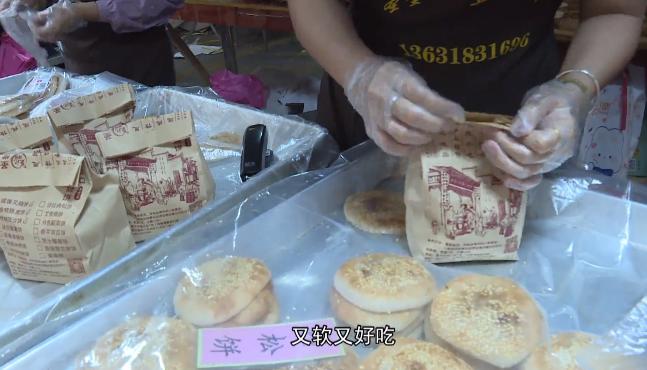
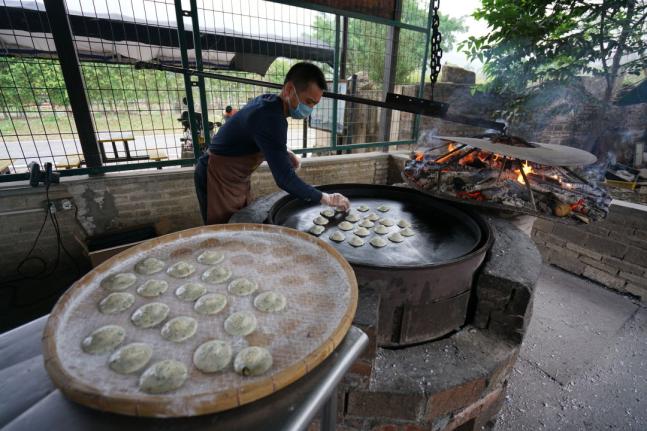
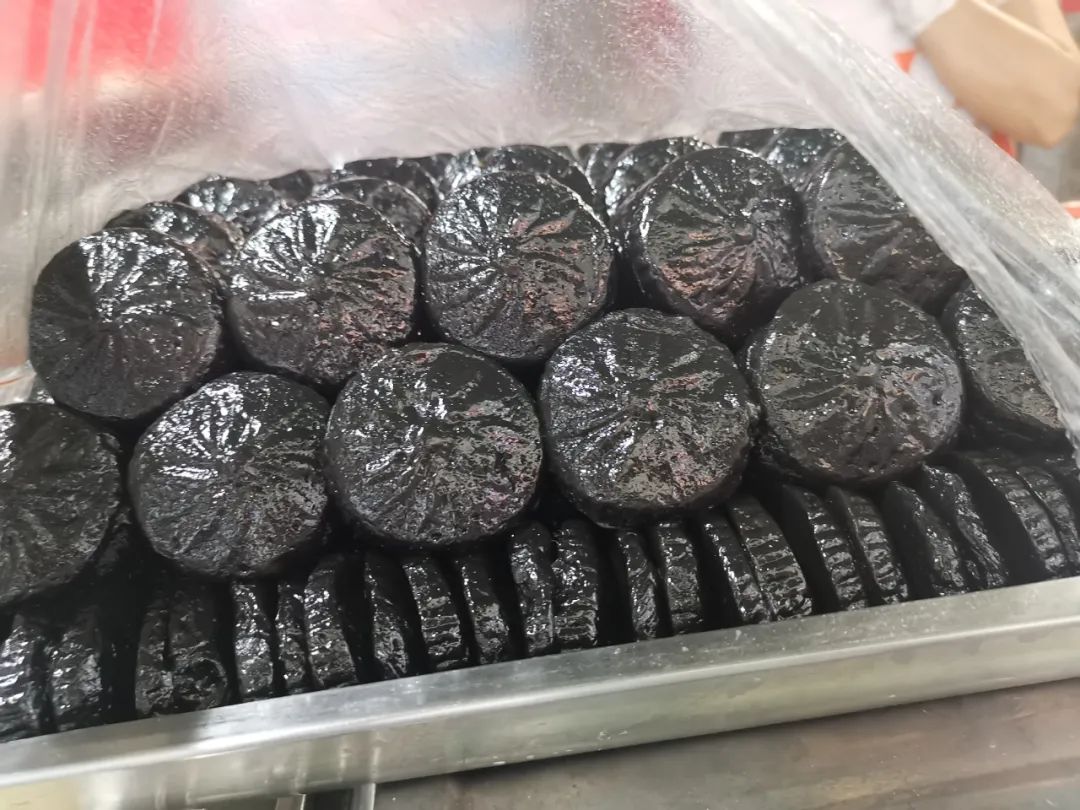
The reporter saw in several sesame cake shops in Enping Sesame Cake Street that workers were busy making sesame cakes. Everyone worked together, some were responsible for grinding powder, and some were responsible for adding stuffing to make cakes. They were very busy.

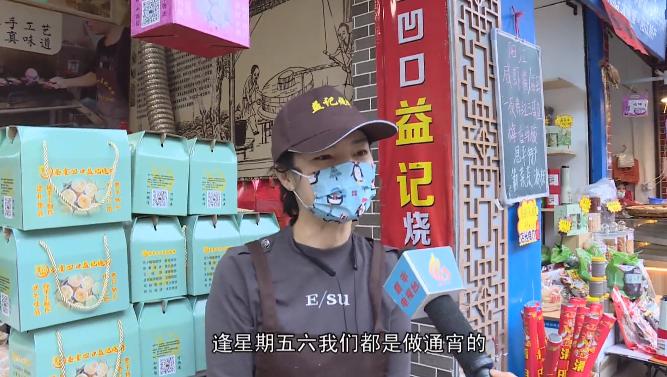
Shopkeeper: "Since the second day of the second lunar month, our four stoves have never stopped, from morning till night. On weekends, we all stay up all night. This year, many friends, such as Kaiping, Taishan, Yangjiang and Guangzhou, came to buy them. They said they were delicious, and our Enping biscuits were very famous."

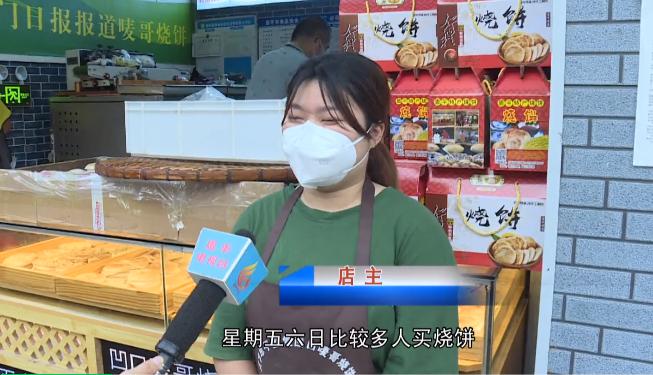
Shopkeeper: "By the end of the week, many people came to buy sesame cakes, and many people bought them and sent them abroad. Many people will come back to buy them in Qingming. All our biscuits are sold now, and all of them are freshly baked. "

Fresh baked sesame seed cake

Crispy and fragrant

Some citizens buy more than ten kilograms at a time.

Besides being used to sweep graves and worship ancestors.

It will also be given to friends and relatives in other places.

Citizen: "Tomorrow, when we worship our ancestors, we will definitely buy sesame cakes. We usually buy barbecued pork and wheat flavor, which are soft and delicious. My relatives in Shanghai have asked me to buy them and are going to buy them and send them to Shanghai."

Citizen: "I went back to Enping this year, and I bought it when I knew there were sesame cakes. I bought some handwritten letters and went back to my friends to try them."

The price of sesame seed cake this year is basically the same as last year.

About 15 yuan per catty

Business is hotter than in previous years.

Among them, the best seller is

Roasted pork, bean paste, frozen meat and other flavors of sesame seed cake.

Cooking cakes with various flavors

The shopkeeper said: "The best sellers are traditional flavors, such as barbecued pork, bean paste, frozen meat and dried tangerine peel. Young people like to eat durian and purple potato."

Photo by Wu Jianzheng

Enping sesame cake! Fragrant all over the country!

Enping sesame seed cake is a traditional snack in Enping, which is a famous new agricultural product and a regional public brand in Guangdong Province. Enping Biscuit originated from the Ming Dynasty, and its production history has been more than 500 years. In 2019, Enping Biscuit’s production skills were selected as Jiangmen intangible cultural heritage.

Xu Weiliang

Enping sesame seed cake has been prosperous for hundreds of years. With the increasing popularity, Enping baked wheat cake has already changed from sacrificial supplies to special snacks, and shops that make and sell baked wheat cakes can be found in Enping all year round. Some sesame seed cake shops have even been invited to the tourist attractions, which has become a major feature of the scenic spots. Some merchants actively improve Enping sesame seed cake production skills to improve the shelf life, and sell Enping sesame seed cake to all parts of the country through the network platform.

Enping sesame seed cake, a small sesame seed cake that has lasted for hundreds of years in the blazing fire, is quietly realizing a gorgeous turn, developing into a growing industry, becoming a unique food business card of Enping, which not only exploded in Guangdong-Hong Kong-Macao Greater Bay Area, but also attracted celebrities and diners from all over the country to try it out and become a "tourist letter" that tourists from all directions must buy when they come to Enping.

Photo courtesy of Municipal Wenguang Tourism and Sports Bureau

Qingming "limited money" Jiangmen cuisine

And these!

Chicken dung cake

In Wuyi area, the custom of eating chicken excrement rattan during Qingming period has a long history. Every March and April, many people begin to prepare chicken excrement rattan cakes at home. "Chicken dung vine cake" can not only satisfy the appetite, but also has the efficacy of eliminating dampness, dispersing fog and toxic heat, and tonifying middle qi, and has gradually become a characteristic snack that can be seen everywhere in Wuyi area.

"Chicken excrement rattan cake" is not related to chicken excrement as literally said. It tastes odorless, but it tastes fragrant and delicious, and is dubbed "Oreo, the hometown of overseas Chinese". It is made from the plant "Paederia henryi". Paederia henryi, also known as Paederia henryi, is a kind of coarse plant, which is abundant in the south, especially in Wuyi area. It is common in rivers, roadsides, Woods and shrubs and climbs on other plants or rocks. After the leaves of Gynostemma henryi are crushed, they will smell like chicken excrement, hence the name, but it has been heard for a long time that Gynostemma henryi has a refreshing fragrance.

Huangshaxian

Yellow sand clam, also known as "Xijiang abalone". Every year around the Qingming Festival, it is the season when the yellow sand clams are listed, which always attracts a large number of diners from Zhongshan, Guangzhou, Zhuhai and other parts of our city to eat clams in Shibansha, Xinhui, and enjoy the scenery of the Xijiang River.

If you want to eat real yellow sand clams, you can come to Muzhou and Da ‘ao in Xinhui. In the waters around Muzhou, the water quality of Xijiang River is excellent, the yellow sand layer is thick, and the water flow is relatively stable, which is conducive to the growth of yellow sand flies. Therefore, the yellow sand flies produced here are all clear, with plump meat and no muddy taste, which is mouth-watering.

Enping leek

Basket can be harvested all year round, but the best harvest time is around Qingming in spring and September-November in autumn and winter. Enping people have a long history of eating fresh vegetables for hundreds of years, especially around Tomb-Sweeping Day, people went to the forest edge of Shan Ye to pick and pick vegetables, and summed up the prescription that eating vegetables in Qingming can improve their eyesight. The old proverb "If you want to have a clear eye, eat vegetables in Qingming" has been circulating.

Photo by Li Jinxin, fresh leek

It can be used to make soup of crucian carp, tea, biscuits and dried vegetables, etc., and has the effect of removing all kinds of toxins, mellow taste and strong fragrance.

So many Jiangmen spring gourmet

Have you eaten yet?

Original title: "Recently sold out! This "online celebrity" food in Jiangmen is fragrant all over the country! A boss is so busy that he stays up all night for several days → "

Read the original text

Is the home nucleic acid quick test accurate or not?

Original pediatric doctor Yan, pediatric doctor Yan

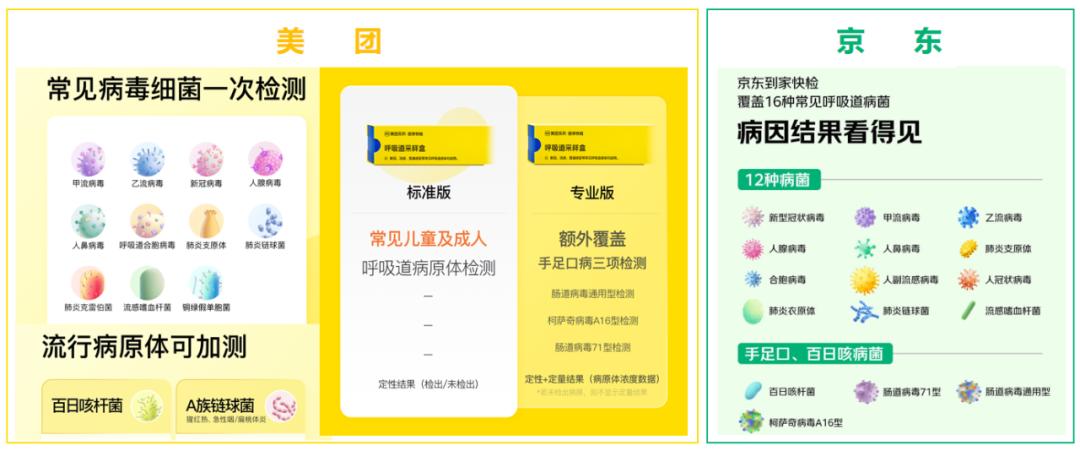
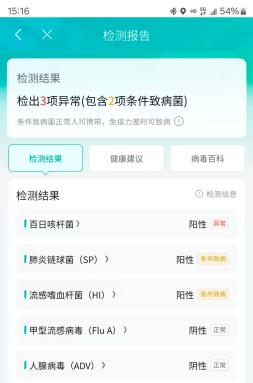
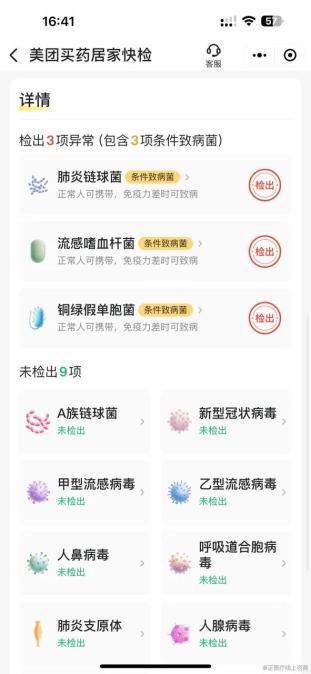
Since the second half of 2023, Meituan and JD.COM Platform have carried out rapid home nucleic acid detection in some cities. At present, the testing items are as follows:

There are always parents who ask me: Is the quick test of nucleic acid at home accurate or not?

In fact, doctors and colleagues and I often discuss this issue. Our feeling is that sometimes it is accurate and sometimes it is not.

Through nearly half a year’s contact, we found that the rapid detection of nucleic acid at home is helpful to analyze the cause of upper respiratory tract infection in the community. In particular, the newly added pertussis test is convenient for early investigation and is really useful.

However, the detection rate of individual pathogens is doubtful, and some testing items seem unnecessary.

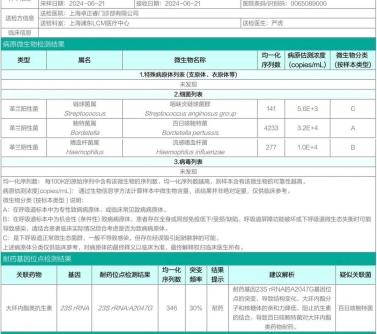
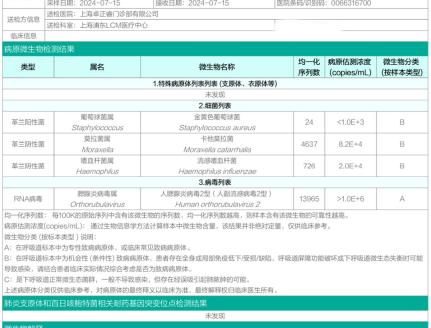
Here are two valuable cases. These two children not only did a quick home nucleic acid test, but also measured a very accurate tNGS (targeting high-throughput sequencing), which can be compared and analyzed.

As always, thank parents for their consent before sharing.

01

Case 1

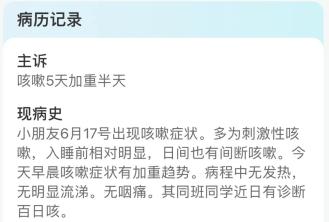
A 7-year-old child saw a doctor at 12 noon on June 21st. The medical history is as follows:

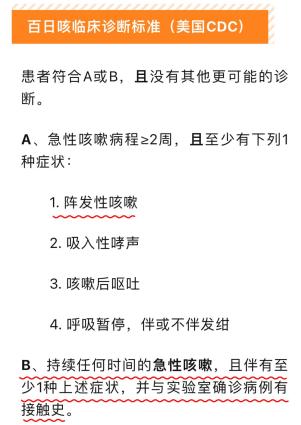
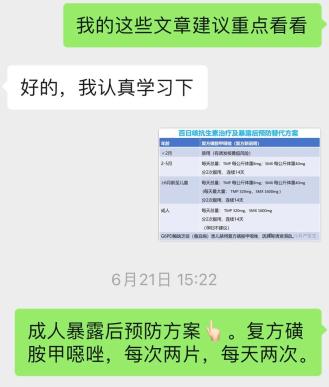
When I saw a doctor, I had been coughing for 5 days. Because his deskmate was recently diagnosed with whooping cough, according to the clinical diagnosis standard B of CDC in the United States, if other diseases are excluded, whooping cough can be clinically diagnosed without laboratory tests.

Considering the 14-day course of antibiotic treatment and whether the family members take post-exposure prevention, after discussion with parents, it was decided that the presence of pertussis should be determined by rapid examination in JD.COM, and the drug-resistant pertussis infection should be evaluated by targeted sequencing. The specific plan is as follows:

At 15: 16 (more than 2 hours after sampling), the quick test results show that:

At noon on June 22nd (the second day after seeing a doctor), targeted sequencing showed that:

Through this case, we can draw the following conclusions:

1. The Bordetella pertussis detected this time is accurate (confirmed by sequencing).

2. The Streptococcus pneumoniae strain detected this time is false positive (negated by sequencing).

Why is there a false positive?

It is speculated that the primer design for rapid detection of Streptococcus pneumoniae in laboratory has defects and insufficient specificity, and Streptococcus angina with similar nucleic acid sequence is mistaken for Streptococcus pneumoniae.

3. The Haemophilus influenzae detected this time is accurate (confirmed by sequencing).

4. Targeted sequencing can identify whether there is drug resistance gene mutation in Bordetella pertussis, which is convenient for drug selection.

Reminder again: We must seize the opportunity to treat pertussis, because at present, drug-resistant pertussis is the main epidemic in China, so compound sulfamethoxazole is recommended as the first choice for empirical treatment.

▲ Guidelines for diagnosis, treatment and prevention of whooping cough in China (2024 edition)

02

Case 2

3 years and 7 months, I saw a doctor on July 13th (Day 2), and my medical history is as follows:

Initial diagnosis of acute laryngitis (mild). Because the symptoms suggest viral infection (especially parainfluenza virus), no pathogenic test was made at the first diagnosis.

The children returned home with high fever that day, and the parents made a quick inspection of the US delegation. The results are as follows:

You see, the US Mission has detected three kinds of "conditional pathogens" quickly, but there is no parainfluenza virus detection project, which makes parents feel strange.

In the next few days, the progress of this child’s illness is worrying.

On the 14th (Day 3), repeated high fever, the highest is 40.1℃.

On the 15th (Day 4), the highest temperature was 40.7℃. I went back to the clinic for targeted sequencing.

On the 16th (Day 5), sequencing showed that:

On the 16th (Day 5), the child developed yellow tears. His body temperature was 39.7℃ during the day and nearly 40.1℃ at 10 pm. My parents contacted me.

Combined with the sequencing results and the change of symptoms, I considered the virus combined with bacterial infection, and started amoxicillin and clavulanate potassium that night.

On the morning of the 17th (Day 6), the body temperature gradually dropped and pus increased. My temperature has been normal since the afternoon of the 17th.

Through this case, we can draw the following conclusions:

1. The Streptococcus pneumoniae strain detected this time is false positive (negated by sequencing).

2. The Pseudomonas aeruginosa detected this time is false positive (negated by sequencing).

3. The Haemophilus influenzae detected this time is accurate (confirmed by sequencing).

4. The parainfluenza virus detected by sequencing is the pathogenic pathogen that causes the initial symptoms of children, but the detection project has been cancelled by Meituan (which has been kept by JD.COM Quick Inspection so far).

5. The sequencing results are helpful for judging the virus combined with bacterial infection, and this result is also the basis for my difficult decision to start antibiotic treatment at 11 o’clock on the 16th.

03

Is home nucleic acid testing accurate or not?

Any new thing can’t be perfect, there will always be some problems that need to be constantly improved and improved.

Since it is an improvement, it should be improved as possible.

For example, it is very good to add pertussis and group A streptococcus detection items to the home quick inspection.

However, the US Mission cancelled the parainfluenza virus detection and increased the detection of Pseudomonas aeruginosa and Klebsiella pneumoniae with low value, which is puzzling.

Pathogen detection is very important for the management of some infectious diseases, so we should have higher requirements, which is not too much.

If the test results are inaccurate, some pathogens will always be false positive, which will not only lead to patients’ (or their families’) worries, but also lead to wrong intervention, increase the doctor’s interpretation cost and waste the doctor’s time.

The two cases I cited earlier are just cases, which are not convincing enough. Whether home nucleic acid is accurate or not depends on a large sample survey.

We can collect enough home nucleic acid and targeted sequencing results, and then analyze the difference of pathogen positive rate; If a patient has done home nucleic acid and targeted sequencing at the same time, the control analysis is more valuable.

Ben WeChat official account plans to write a series of articles to discuss how to manage common upper respiratory tract infectious diseases by home quick check-up.

Here, I especially hope that the testing organization will make this product better. For example, quality control personnel should carefully analyze the test data, find out the reasons for the high detection rate of pathogens such as Streptococcus pneumoniae, resume the detection of parainfluenza virus, and cancel some unnecessary tests.

In order to make a more rigorous evaluation, we collect home nucleic acid test results from readers, and the requirements are as follows:

1. Provide a complete test report screenshot. If there are other pathogen detection reports (such as targeted sequencing or antibody detection results), they can also be provided together. Please cover the patient’s name.

2. Sampling sites (such as throat swab and nasopharyngeal swab) can be provided.

3. Can inform the patient’s age, main symptoms (such as fever, cough, runny nose) and city.

https://www.wenjuan.com/s/uuqEBnn/

Thanks for your support.


The pediatrician slides up to see the next one.

Original title: "Quick test of nucleic acid at home, is it accurate or not? 》

Read the original text

Health of the whole people and enhancement of people’s happiness.

Build a strong public health system and increase the supply of high-quality medical resources
Health of the whole people and enhancement of people’s happiness.

The construction of county medical community has been accelerated, the quality medical resources have been expanded, the public health protection network has been woven tightly, and the health has been guaranteed … This is the personal experience of the broad masses.

General Secretary of the Supreme Leader pointed out: "The most important indicator of modernization is people’s health, which is the basis of people’s happy life. Grasping this matter, people first and life first should be an idea that the whole party and society must firmly establish. "

The pace of building a healthy China is steady. China insists on giving priority to people’s health, promoting the balanced distribution of high-quality medical resources, strengthening the construction of national medical centers, regional medical centers, medical associations and medical associations, continuously improving the service capacity of primary medical institutions, building a strong public health system, striving to ensure people’s health in all directions and throughout the cycle, and constantly enhancing people’s sense of acquisition, happiness and security.

Weave tightly and densely the public health protection net.

"When taking public transportation or going to public places, you can see strict epidemic prevention and control measures." Ms. Zhou, who works in Beijing, said.

In the face of the epidemic in the century, we adhere to the people first, life first, external defense input, internal defense rebound, dynamic zero clearing, constantly adjusting prevention and control measures according to the situation, maximizing the protection of people’s life safety and health, and coordinating economic development and epidemic prevention and control to achieve the best results in the world.

Weave a well-knit public health protection network, and issue the novel coronavirus Prevention and Control Plan (9th Edition). According to the characteristics of the mutant strain in Omicron, the epidemic monitoring, the isolation management of risk personnel, and the demarcation standard of middle and high risk areas were adjusted according to the situation, so as to effectively coordinate the epidemic prevention and control and economic and social development.

Strengthen scientific and technological research on vaccines, rapid detection reagents and drug research and development, carry out emergency examination and approval of vaccines in Covid-19, and actively promote the research and development of therapeutic drugs in Covid-19. Carry out vaccination work in a scientific, standardized, safe and orderly manner, and start the sequential immunization of vaccines in COVID-19.

Promote the establishment of 320,000 village (neighborhood) committees and public health committees to lay a solid foundation for community prevention and control of COVID-19 epidemic. At the end of last year, the Ministry of Civil Affairs, National Health Commission and other four departments jointly issued guidance, requiring all localities to strive to achieve full coverage of the mechanism of public health committees, generally improve their capabilities and effectively play their roles in about two years, and initially establish a grass-roots public health management mechanism that dynamically connects normal management with emergency management.

Improve the level of equalization of basic public health services. This year, China’s per capita financial subsidy standard for basic public health service funds reached 84 yuan, and 5 yuan was added as a whole for basic public health services and epidemic prevention and control in primary medical and health institutions. We will continue to provide all urban and rural residents with 12 categories of national basic public health services and 19 services, including prevention and treatment of endemic diseases, prevention and treatment of occupational diseases, maternal and child health, and combination of medical care and nursing.

Carry out the patriotic health campaign in depth. Since the beginning of this year, the activities of "building a healthy home" have been widely carried out in various places, guiding the residents to develop a civilized, healthy, green and environmentally friendly lifestyle and creating a clean, civilized, orderly, healthy and peaceful environment. The environmental quality in urban and rural areas has improved significantly, and various health and environmental indicators have continued to improve.

Accelerate the implementation of the Healthy China Action. Focus on all-round intervention of health influencing factors, maintenance of life cycle health, prevention and control of major diseases, and promote the transformation from treating diseases as the center to people’s health as the center. At present, the average life expectancy of Chinese residents has reached 78.2 years.

Accelerate the expansion of high-quality medical resources

A few days ago, Yangyang, a 9-month-old child, was taken to Ningxia Children’s Hospital for fever of unknown reasons. After diagnosis, Yangyang needs surgery as soon as possible. However, the hospital does not yet have the relevant surgical conditions. At this time, the experts from the First Hospital of Peking University, who are helping their counterparts in this hospital, immediately turned to the "rear area" for help. On the same day, the First Hospital of Peking University decided to open a green channel and directly refer the children to Beijing for surgery. After 14 hours of transshipment, the child arrived in Beijing. The children’s intensive care unit team of Peking University Hospital completed the preoperative evaluation and preparation that night, and the next day completed the surgical debridement and subarachnoid drainage of spinal cord infection focus. After the operation, the child returned to the ward safely and was in good mental state. The parents of the children said excitedly, "I can’t believe I finished the operation so soon!"

In May this year, Ningxia Women and Children’s Hospital, the first hospital in Peking University, was listed as the third batch of national regional medical center construction projects. The hospital was jointly established by the People’s Government of Ningxia Hui Autonomous Region and the First Hospital of Peking University, and is located in the hospital of Ningxia Maternal and Child Health Hospital (Ningxia Children’s Hospital).

The joint efforts of the two places to treat difficult and severe patients fully reflect the advantages of the national regional medical center.

In recent years, relying on high-level hospitals, China has set up national medical centers and national regional medical centers to improve the overall and regional medical service capabilities. In view of the flow of people seeking medical treatment in different places and key diseases, 10 national medical centers with professional categories have been set up, 50 national regional medical centers have been built, and 15,000 medical associations have been established.

Xu Shuqiang, director of the Department of Economic Restructuring of National Health Commission, said that China will continue to promote the expansion, sinking and balanced distribution of quality medical resources. At the national level, promote the establishment and construction of national medical centers and national regional medical centers, and reduce cross-regional medical treatment. The construction of national regional medical centers will strive to cover all provinces in China by the end of this year. At the provincial level, 120 provincial regional medical centers will be built to improve the provincial diagnosis and treatment capacity.

Tamp the bottom of primary health care network

Not long ago, a villager in meishan town, Datian County, Sanming City, Fujian Province had a sudden myocardial infarction. The medical staff of Meishan Branch of Datian County General Hospital uploaded the description records and electrocardiogram of the patient’s family members to the chest pain center of the general hospital. The first-aid team of the general hospital instructed local doctors to thrombolysis for patients and successfully implemented telemedicine treatment.

The remote ECG diagnosis system of Datian County General Hospital covers all grass-roots branches, and county hospitals provide ECG diagnosis reports for grass-roots branches, which better solves the problem of insufficient diagnosis experts in grass-roots medical and health institutions. Datian County has broken the administrative barriers of medical and health institutions at the county, township and village levels, integrated medical and health resources at the county level, and undertaken basic medical and public health services for the residents of the county, thus consolidating the basic medical and health service network.

Since the beginning of this year, China has accelerated the construction of an orderly new pattern of medical treatment and diagnosis. The capacity of primary medical and health services has been continuously enhanced, and the proportion of primary diagnosis and treatment has remained above 50%. The people have a 15-minute medical and health service circle around them, and more experts are sitting at their doorsteps, making it more convenient, more affordable, more efficient and smoother to see a doctor. It has gradually become a reality that serious illness is solved in this province, general diseases are solved in cities and counties, and headaches and brain fever are solved in rural areas.

The construction of a close county medical community has been fully promoted. Pilots were carried out in more than 800 counties (cities, districts) across the country, and medical insurance was packaged and paid, which promoted the sinking of resources and promoted the integration of medical care and prevention. While guiding the medical community to improve its medical capacity, it will shift more work to disease prevention, and the proportion of inpatients in the county and the proportion of residents’ medical insurance reimbursement will increase steadily. Strengthen telemedicine and informatization construction, and gradually realize grassroots inspection, superior diagnosis and service homogeneity. The efficiency of medical services in the pilot counties has been improved, and the rate of medical treatment within the county has exceeded 90%. The role of "strengthening the county and strengthening the grassroots" has begun to appear.

Innovative development of family doctor contract service. All cities and counties (cities, districts) in China have basically implemented family doctor contract service, and more than 420,000 family doctor teams have been set up to provide medical and health services including long-term prescriptions and on-site services for contracted residents, especially the chronically ill and the elderly. Promote the high-quality development of family doctor contracting services, and the coverage rate of family doctors in key populations exceeds 70%.

The construction of community hospitals is in full swing. By the end of 2021, more than 2,600 community hospitals had been built in China. National Health Commission proposed to continue to develop community hospitals this year, promote the construction of about 500 new community hospitals, select and strengthen the capacity building of a number of central hospitals, and strive to achieve the basic standards of service capacity in grassroots medical and health institutions during the Tenth Five-Year Plan period, and strive to narrow the gap between urban and rural development, so as to facilitate the people to obtain convenient, efficient and high-quality services nearby.

People’s health is the foundation of social civilization and progress, and it is an important symbol of national prosperity and national prosperity. Under the strong leadership of the CPC Central Committee with the Supreme Leader as the core, more than 1.4 billion people in China are full of yearning for a healthy and beautiful life, and are marching towards a new journey of building a healthy China with a more high-spirited attitude. (Reporter Bai Jianfeng)

Ministry of Commerce: Foreign trade is confident to achieve positive growth in the second half of the year.

  On the afternoon of September 27th, the State Council Press Office held a routine briefing on the State Council policy, introducing the situation of supporting the stable development of foreign trade and answering reporters’ questions.

  Wang Shouwen, international trade negotiator and vice minister of the Ministry of Commerce, said that from January to August, China’s foreign trade import and export reached 27.3 trillion yuan, a record high. However, foreign trade is facing some new uncertainties, and the growth of external demand is slowing down, which is the biggest uncertainty facing foreign trade at present. This is reflected in the slowdown in the economic growth of major economies such as the United States and Europe, and the decline in the growth rate of global trade in goods.

  In order to cope with this background and promote the steady growth of foreign trade, the CPC Central Committee and the State Council made timely arrangements to create a good environment for foreign trade enterprises and create good conditions for the goal of maintaining stability and improving quality of foreign trade.

  From January to August, China’s mechanical and electrical products accounted for 56.5% of foreign trade exports, while automobile exports increased by 57.6% and solar cell exports increased by 92.6%. It is worth noting that in August, the export growth of China to other RCEP member countries reached 23%, which was 11.2 percentage points higher than the overall foreign trade export growth rate in August. Free trade agreements, including RCEP, came into effect on January 1st this year, which played a very important role in promoting the development of China’s foreign trade.

  Generally speaking, despite the background of slowing or even weakening external demand, we are confident that foreign trade will achieve positive growth in the second half of the year and make positive contributions to the recovery of the national economy through the growth of foreign trade.

90% of uncompleted residential flats in Guangzhou have been revitalized.

The unfinished building was once a special group with 82 scars in the city, and a case was vigorously rectified to help it regain its life.

A luxurious office building surrounded by 16 huge Roman columns among the overgrown weeds; The modern intelligent office building in a prime location has been established for more than 10 years, but it just stays on the drawings, and the site is still a muddy construction site …

Like many cities in China, many commercial development projects in Guangzhou came to a standstill in the 1990s due to the break of the capital chain and other reasons, and became "unfinished buildings" covered with moss, like a dazzling "scar" in the bustling downtown area.

Solving the problem of uncompleted residential flats and healing urban scars has become a key livelihood project that successive governments in Guangzhou have attached great importance to. City leaders personally took the lead and set up special work leading groups twice to vigorously promote the disposal of "uncompleted residential flats" and untie the deadlock one by one in batches on the basis of respecting history and complying with laws and regulations. At present, 90% of the 82 "uncompleted residential flats" in Guangzhou have been revitalized and become a beautiful landscape in the city.

Cause:

Capital chain fracture

It’s a rotten tail commonality

According to an urban construction person, at that time, a large number of overseas businessmen were optimistic about Guangzhou’s prospects and came to invest. Some local investors also aimed at development opportunities and bought land for real estate development. Guangzhou ushered in a real estate development boom. "Some developers have no financial strength and want to borrow project financing or even empty hands. The break of capital chain is a commonality of these properties."

The reporter learned that Conghua Hot Spring Villa was put on sale in the 1990s. In 1996, it was the first to "buy a villa and send it to a villa". At that time, the price of the villa was about 5,000 yuan/square meter. After the sale, it was not ideal, and the investor withdrew its capital and then it was unfinished. After the outbreak of the financial crisis in 1997, the developer’s capital chain was broken. After Zhongcheng Plaza, now known as Guangzhou Sinopec Building, completed 80% of the glass curtain wall on the external wall, the construction unit was in arrears with tens of millions of yuan, and the building stopped working. The building entered the "unfinished mode".

In the prosperous commercial area of Changgang Road in Haizhu District, the name of Darby International Business Center was "Hong Kong and Macao Jiangnan Center" before it was revitalized, which is also an unfinished building that has stood for many years. In 1993, the foundation was laid, and it was stopped when it was built on the 29th floor. Then it changed hands many times and changed its name many times. After it changed hands again in 2006, it ended badly because of problems in the capital chain.

Some people say that every unfinished building can be made into a movie: some investors have lost their lives for it. In 1995, a partner jumped down from the unfinished Jiangnan Center in Hong Kong and Macao and made a sensation. Zhongcheng Plaza, once known as "the first unfinished building in China", dismounted Huang Songyou, former vice president of the Supreme People’s Court, and Yang Xiancai, former director of the Executive Board of Guangdong Higher People’s Court. Hailian Building, which was unfinished shortly after the foundation of scenery, also sent Xu Yunian, former vice minister of Guangdong United Front Work Department, to prison. Every time I look at these unfinished buildings from afar, many people who have experienced them are crying.

Impact: Some relocated households did not move back until they died.

In 2003, Liu Liansheng, who just graduated from a university in Wuhan, was still very clear about the "wonders" of the city when he first came to Guangzhou. "As soon as I got out of Guangzhou Railway Station and turned to Huanshi Road, I saw a tall, magnificent and square building in a grassy field." "After working in Guangzhou for many years, I still see this mysterious house in its original place, surrounded by high walls, like a luxurious office building, and no one has entered."

These uncompleted residential flats once became "the scar of the city" and "the stain of the environment" in Guangzhou. The reporter inquired about the relevant information and learned that most of these unfinished buildings are concentrated in the central city, and they are located in downtown and prosperous places. Take Wanlinghui before the revitalization as an example, which is located in the core business district of Tianhe, next to Zhengjia Square, and can be described as a prime location; Zhongcheng Plaza, once known as "the largest uncompleted residential flats in China", is located at the junction of Tianhe North Road and Tiyu West Road. The surrounding CITIC Plaza, Mayor Building and Victoria Plaza are all important commercial places in Guangzhou, and the property prices are high.

"These unfinished buildings not only affect the surrounding environment and the image of the city, but also make valuable economic resources idle and wasted. More importantly, they lead to a large number of letters and visits, which can easily lead to social instability." An industry insider admits that the uncompleted real estate is most affected by the relocated households and buyers who used to live here, resulting in their long-term inability to move back and resettle. The short period is more than 10 years, and the long period is more than 20 years. "Some resettlement households have not even moved back to the new building until their death. Many unfinished buildings have pulled up banners with tens of meters of white cloth and black characters, which is heartbreaking."

Crack: as a key project, many departments work together.

In 2002, the Guangzhou Municipal Government put forward the goal of "eliminating uncompleted residential flats". In 2003, Guangzhou Municipal People’s Congress issued the resolution on the implementation plan of "Proposal on Improving Unfinished Buildings as soon as possible", which proposed that solving and preventing "Unfinished Buildings" would be an important task in urban planning, construction and management in the future. Chen Jianhua, the mayor, gave instructions on "uncompleted residential flats" twice. "The reasons for the formation of uncompleted residential flats are complicated. Please ask the Project Construction Committee to set up a task force to take the lead, analyze each project one by one, and speed up the progress of revitalization. Strive to clear the old accounts as soon as possible, and no new accounts will be owed. Standardize urban construction and project management. " "It is a major measure to take the hard bone of’ uncompleted residential flats’ to administer according to law and build a society ruled by law."

According to the person in charge of the Guangzhou Municipal Commission of Housing and Urban-Rural Development, Guangzhou has twice set up a special work leading group to deal with the "uncompleted residential flats" in Guangzhou. "Some unfinished buildings have convened more than 10 departments and held more than 10 coordination meetings. It is common to open from morning till night." A person in charge of urban construction who has participated in the revitalization project of uncompleted residential flats for many times told reporters that he has investigated almost every registered uncompleted residential flats in Guangzhou, decided on the revitalization plan, and is also responsible for follow-up implementation. "It is easy to build a new building, but it is difficult to revitalize an old building."

According to the person in charge of the Guangzhou Municipal Commission of Housing and Urban-Rural Development, the causes of the "uncompleted residential flats" are very complicated, including internal reasons, such as shutdown due to broken capital chain, unfinished residential flats due to enterprise bankruptcy, and external objective reasons, such as being sealed up by the court due to debt disputes and difficult to achieve economic balance due to planning adjustment. To untie the fast knot, we must clarify the causes of the rotten tail and put forward a targeted revitalization plan.

"Every unfinished building has commonalities and characteristics. It is necessary to jump out of the old thinking and not play cards according to the routine." The person in charge also introduced that Guangzhou’s experience in revitalizing unfinished buildings has attracted many cities such as Zhuhai to "learn from the experience". He concluded that it is not easy to revitalize these unfinished buildings in a short period of time. "It is necessary to deal with them in batches first, and it is necessary for multiple departments to work together.

The city once had

82 "uncompleted residential flats"

Revitalized 47 "uncompleted residential flats" projects

Zhengjia Oriental International, Lujingtai, Jinglong Pavilion, Fanying Pavilion, Qiaokang Building, etc.

Projects that are being revitalized

Ten projects have entered the construction or sales stage.

Hailian Building, Famous City Commercial Plaza, etc.

13 projects go through administrative approval procedures according to procedures.

Xinhao Building, Donghu Xuan, etc.

10 cases have entered the execution stage of judicial disposal.

Fudu Building has been auctioned off.

Fuxin Plaza is revitalized by new creditors.

……

Revitalize oneself through enterprise restructuring

Zhongshui Plaza was reorganized and revitalized by the parent company of the major shareholder, the Three Gorges Group. The Three Gorges Group agreed to start the procedure as soon as possible, but the progress was slow.

"This means that it is not easy for more than 90% of uncompleted residential flats in Guangzhou to be properly handled or revitalized." An urban construction person told reporters.

"The projects that have not been revitalized at present are real’ hard bones’, and there are many historical problems such as legal relations and disputes over creditor’s rights and debts, incomplete project procedures, lack of information and planning adjustments, and so on." The person in charge of the Guangzhou Municipal Commission of Housing and Urban-Rural Development said that the next step will be to coordinate the planning department to actively list the planning and approval problems of the projects concentrated in the planning and approval stage and propose solutions, and coordinate the courts at all levels to step up the judicial disposal of the projects so that the projects can enter the administrative approval and resume work as soon as possible.

Where did the uncompleted residential flats go?

9 years of unfinished business in Zhongcheng Square

Located at the junction of Tianhe North Road and Tiyu West Road, it was the Guangzhou Big Mac office building under construction. After the construction started in 1992, many Hong Kong and Macao investors snapped it up, and the price soared to more than HK$ 30,000 per square meter at that time. When the Asian financial crisis broke out in 1997, the developer’s capital chain was broken, and the project became "the first unfinished building in China". According to reports, the debt dispute of the building is complicated. In the past 15 years, more than 300 lawsuits have been fought. After several changes of hands, in mid-2006, Sinopec Group Corporation bought a tower in Zhongcheng Plaza for about 10 billion yuan, and officially renamed Zhongcheng Plaza as "Sinopec Building".

Heyin Square has been unfinished for 7 years.

In 1998, Heyin Plaza, located next to Huanshi East Road Garden Hotel, was officially started. It was named "Dapeng International Plaza" and was the "Chief Office Building of Huanshi Road Business Circle in Guangzhou", which attracted a lot of Hong Kong capital. When the financial turmoil struck, the developer Dapeng Real Estate abandoned Heyin Plaza and took over Zhengjia. In 2002, the project eventually became "the second unfinished building in Guangzhou".

Hong Kong Ruian Group once announced that it planned to acquire Heyin Plaza for 1.388 billion yuan. In January 2009, Ruian Group suddenly announced that it would abandon the acquisition, and the revitalization of Heyin Plaza was frustrated. At the end of 2009, Dapeng Real Estate raised enough funds to let Heyin Plaza resume work and officially revitalize it. It officially opened in early 2011 and changed its name to Zhengjia Oriental International Plaza, which is currently one of the subsidiaries of Guangzhou Zhengjia Group.

Fanying Pavilion has been unfinished for more than 7 years.

Fanying Pavilion is located at No.130, Binjiang West Road, Haizhu District. It was originally developed by Guangzhou Hengjing Real Estate Investment Co., Ltd. (hereinafter referred to as Hengjing Company). In 2003, it stopped working. In 2010, due to debt disputes, some houses were auctioned by Guangzhou Haizhu District People’s Court, and Guangzhou Yicheng Jiangzhao Real Estate Co., Ltd. (hereinafter referred to as Jiangzhao Company) won the bid to rebuild Fanying Pavilion.

Since then, due to the non-cooperation of the executed person Hengjing Company, the buyer Jiangzhao Company was unable to go through the relevant procedures of reconstruction, such as engineering, water and electricity, fire inspection and acceptance, filing of completion inspection and filing, which affected the reconstruction, and 102 small owners who bought houses were unable to take over the building and apply for real estate licenses, causing small owners to be dissatisfied with petitions.

In 2010, the Guangzhou Municipal Construction Committee held two coordination meetings, and reached an agreement with the participating functional departments: from the overall situation of protecting the rights and interests of 102 small business owners who have purchased houses and maintaining social stability, all relevant functional departments should support the bidders to complete the procedures as soon as possible and then return to work. As Haizhu District Court has explicitly agreed to go through the formalities of applying for reconstruction in the name of Jiangzhao Company, Haizhu District People’s Court will issue a notice of assistance in execution to the relevant departments. On June 12, 2010, Guangzhou Municipal Construction Committee and Guangzhou Mediation Office jointly held another meeting on "Speeding up the related work of rebuilding the unfinished building of Fanyingge", and determined the co-organizer departments and handling methods for all aspects of the procedures for rebuilding and reporting, so that the problem could be finally solved. The building has been built and accepted, and the owner has moved in and handled the real estate license.

Xichang Electronic City has been unfinished for 9 years.

The Xichang Electronic City Project is located at No.81 Dongfeng West Road and Zhongxing Cross Section, and was developed by Guangzhou Lihong Real Estate Development Co., Ltd. The project covers an area of about 3,200 square meters, with 13 floors and a total construction area of about 23,000 square meters.

In 1995, the construction unit began to apply for construction projects. The main structure construction was completed in 2000. In 2003, due to the financial problems of the construction unit, the work was stopped, and the main building structure and external wall were completed when the work was stopped, and the equipment installation and internal decoration were not completed. In 2011, Lihong Company began to straighten out the relationship and restart the project. In 2012, the architectural design of the project was reviewed from the perspective of respecting history, coordinated by the Guangzhou task force to deal with uncompleted residential flats. Subsequently, Guangzhou Planning Bureau and Liwan District Construction and Landscaping Bureau approved the architectural design and construction permit respectively. Now the construction unit has improved the declaration procedures, completed the construction and entered the pre-sale. (Reporter yangjin correspondent Yuan Guoke)

A movie previews 200,000? What are the rules of trailer editing?


Special feature of 1905 film network As an audience, what content of a movie will you be attracted to first?Everyone will have their own answers.Perhaps the main lineup can attract audiences with the reputation of past works; Inductive posters posted everywhere can also be "brainwashed" and impressive; And take the film.ContentTrailer, relatively more concrete.After all, the trailer can more directly present a film’s style, plot and other effective information. Even many viewers learned about a movie through the film notice in the cinema, and silently planted grass.


Although in the eyes of many people, the trailer is just a propaganda material, which undertakes the function of advertising, for the staff, preview editing is the closest thing to the creation of film content among all kinds of propaganda materials at present.It seems that in many people’s cognition, the trailer is made by the director and the film editing team themselves. Of course, this situation does exist, but it is not entirely the case.


The so-called industry has specialization. With the development of China films, promotional materials companies are increasingly divided in the market, including poster companies and video companies, among which trailer companies, tidbits companies and short video companies are even divided. Of course, there are also many companies that can set foot in all the corresponding fields.Looking at the whole film circle, the trailer industry is still relatively young, and only full-time companies have been established since about 2010, with a development of more than 10 years. Nowadays, with the development of the film industry, the production of trailers has entered another track.


A heavier and shorter trailer


The word "preview cheating" often appears in some online comments. Obviously, these trailers have successfully deceived the audience into the cinema.


In other words, among the factors that affect the audience’s expected management of movies, trailers account for a huge proportion. A movie usually has more than four trailers, and those films in important periods such as Spring Festival and National Day have a greater demand for the number of trailers.


Among these trailers, which one is the most important?


The company "Youmingtang" has participated in other film projects. Co-founder Xu Wenbo told us that from the data given by various platforms at present, the final preview is usually the most clicked. "A big reason comes from that most viewers usually take the initiative to open a trailer to understand the film before considering buying tickets, and at this time, most of the tickets are recommended and displayed by the ticketing platform."


This phenomenon also makes the ultimate notice a "mountain" in the eyes of practitioners.


"It is not difficult to simply cut out the plot, but a good final preview needs to use colorful ideas and forms in a short time to make the plot catch the audience." Lin Mingtao, director of Hengye Film Video Center, pointed out the difficulties to us.


Liu Wenpu, the founder of Liuhe Century, who has participated in other projects, said that besides the final preview, the first preview is also not easy. "That is the first video material to meet, and the audience will have a certain understanding of the film after watching it. And the content of the video comes from the movie itself, which is absolutely impossible to fake. The most important thing is that this preview will be the longest in terms of playing cycle, and the responsibility of natural bearing will be different. "


He also mentioned that with the development of entertainment platform, film marketing methods are no longer routine, and each film has different needs for the definition and function of the first preview.


It is true that we can see from the first preview of various films released at present that some of them are still the same as in the past, and the film side seems to let the audience quickly grab the selling point of the film by determining the schedule and other information; Others let the audience remember the film first through various more innovative ways, or directly through plot fragments, and then use other contents to let everyone understand it slowly.


My People,My Country’s first trailer was one of Xu Wenbo’s impressive trailers. "This trailer was released on July 28, and it actually started working in mid-June."


The film was a rare patchwork film at that time. "It took us quite a long time to weaken the sense of patchwork, and it also dispelled everyone’s understanding of the main theme film. In the early stage, we did a lot of research and found that the general audience was more interested in the unit, so we took it as a main body, and sang a My People,My Country to lead to other time nodes. At the same time, we rewrote the music and presented every historical moment. "


Judging from the later discussion, this trailer is a success.


Although the idea of trailer editing has been slightly adjusted with the changes in the current entertainment market, the purpose of finally letting the audience find better movie selling points has not changed. It is difficult to find a clear explanation for this change. The biggest consensus is that with the rise of short videos, they often face the same feedback when making them, "cut them as short as possible."


Make a decision! The trailer is cut like this


Most movies will be fermented after 1-2 months of publicity, which also gives the publicity team and trailer team the opportunity to "try and make mistakes".


Several trailer producers have told us that although they and the propaganda team will try their best to think of various selling points in the early stage, after each trailer is issued, the comments of netizens can always give them some new ideas and avoid inappropriate content in time.
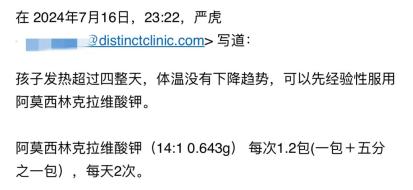
 

Every time Xu Wenbo cooperates with the director, everyone will constantly use various trailers to run in with the market. "We will change our marketing strategy at any time according to various public opinions and previously released data." However, this does not mean that the film promotion depends on data algorithm analysis, but more on emotional classification, from which the audience can find the empathy points found in the film materials.


Then, who will make the final decision on the trailer production of a movie?


Generally speaking, the trailer production of most domestic films is often involved in the late stage and near the end of the film production. However, at present, with the changes in the film market, many projects have been involved from the shooting period and even the early stage. Liu Wenpu told us that at present, they have a team working on a film production crew.

 

Of course, such projects are often head projects, and there are very strict plans for publicity and distribution.


At present, many filmmakers and trailer teams cooperate in a fixed way. Except for companies such as Light Film and Hengye Film, which have their own special video vision teams, most of them are tacit understanding and trust accumulated over the years.


Of course, with the rise of the trailer industry, the strength of many young companies can not be underestimated, and it is often the case that trailer companies conduct "competitive presentation". Some filmmakers will hand over all the trailer business to a single team, while others will choose according to their plans and hand over the appropriate content to the relevant teams.


Usually, in the direction of the trailer, the director has the relatively main decision, but the propaganda team will still give the director relevant opinions in combination with the market situation.


The director doesn’t like to put the best content in the trailer, but prefers the fried content … … Every director will have his own preference. Liu Wenpu also told us that Tsui Hark is one of the few directors who can modify the content of materials by himself. "His hands-on ability is very strong."


And in the trailer, they have their own ideas of this generation of "online directors".


For example, during the publicity period, after the intensive publicity of the film in the past year, many contents have been exposed almost. When facing the release, Chen Sicheng found a non-trailer team to edit. "Even some people are not in the film circle, but in the advertising circle. These people have brought some new ideas to the film promotion."


Lin Mingtao also verified to us Chen Sicheng’s rigor and carefulness in the trailer. "He has already clearly defined the ideas of some trailers from the time of shooting, and even in the middle of filming, he has already completed the trailer shooting."


The trailer is not simply edited according to the feature film. At present, many head projects will be "tailor-made" for the trailer during the shooting process.


Better and more realistic trailer


Should the trailer make an illusion and trick the audience into the cinema?


This question was thrown to every trailer creator by us. Everyone’s point of view is still the same, "you can’t destroy the temperament of the film itself." Trailers can "cheat", but this kind of "cheat" is to strengthen the advantages of the film itself.


Lin Mingtao is currently serving art cinema. "When we cut it, it will be between commercial films and non-commercial films. For example, in See Nara again, we will focus on the topic of mother-daughter feelings and orphans in World War II. This is a commercial topic, but the overall style will definitely retain the original temperament of the film."


Including their past participation, "we will strengthen the legendary content of the original site in the trailer and increase the suspense, which will arouse the curiosity of the audience."


In addition to editing creativity, many teams will make great efforts in music and other aspects, and music copyright is also the biggest export of a trailer cost. Liu Wenpu told us that they had spent 80,000 yuan to find a suitable tune in order to edit the preview of "One Warriors"; The Xu Wenhao team also spent nearly 200,000 RMB on the production of light music for the trailer of My People My Homeland Zhonghe Unit. These expenses do not include the mixing work in the later stage of the trailer.


At first glance, these costs are already "sky-high" for a preview material with a communication cycle of only one week, but compared with the "a poster worth 100,000 yuan" that was often mentioned in the past, this cost is not so high.


With the development of China’s film industry, previews, posters and other film materials are closely related to it. With the dedication and content support of these practitioners, it is possible to further broaden and innovate the technology and concepts of filmmakers.


Abe asked Trump to eat barbecue service personnel to pass dishes with a long-arm wooden shovel.

  Cctv news: On May 26th, after watching the sumo competition, Japanese Prime Minister Shinzo Abe and Trumps had dinner at the stove-end restaurant in Benmu, Tokyo. According to a CBS reporter, the four enjoyed five dishes including roast beef and vanilla ice cream. The video shows that after the chef prepares the baked food, he hands it to Abe Zhaohui, Shinzo Abe, Melania and Trump in turn.